
Is nutrition really important during the hair transplantation process? Or is it just a simple recommendation? In this article, we will discuss hair transplantation in terms of nutrition.
Many people who have had or are planning to have hair transplantation think first of the washing process, medications, and physical protection measures when it comes to post-operative care. However, there is another issue that is often overlooked, even questioned as “is it being exaggerated?”: nutrition. So, is nutrition after hair transplantation really that important, or is it just hearsay? The short answer is clear: Nutrition is not a myth; it is a hidden but effective part of the process.
İçindekiler
What Happens in the Body After Hair Transplantation?
Although hair transplantation is seen as an aesthetic procedure, it is essentially a surgical intervention that triggers the body’s healing mechanisms. Micro-channels are opened, roots are placed, and these areas need to take hold, be nourished, and begin to grow healthily. This is precisely where the body’s capacity for self-repair comes into play. The most important supporter of this capacity is proper and balanced nutrition. Proper nutrition directly affects the healing process and accelerates it. It also supports the attachment of hair roots.
During the healing process, the body needs more protein, vitamins, minerals, and antioxidants. If these needs are not met, the adaptation period of the hair follicles may be prolonged, the thickening of the hair may be delayed, and the overall results may be weaker than expected.
Is the Effect of Nutrition on Hair Follicles Real?
Yes, and much more real than you think. Hair follicles are living tissues and sustain their life with nutrients delivered through the bloodstream. In the period following hair transplantation, strong blood circulation and high nutrient transport capacity are necessary for the transplanted grafts to take root healthily. Inadequate nutrition can lead to thin hair strands, slower growth, and sometimes irregular growth.
How Should You Eat After Hair Transplantation?
There is no need to follow a “special diet” during this process, but certain food groups should be prioritized.
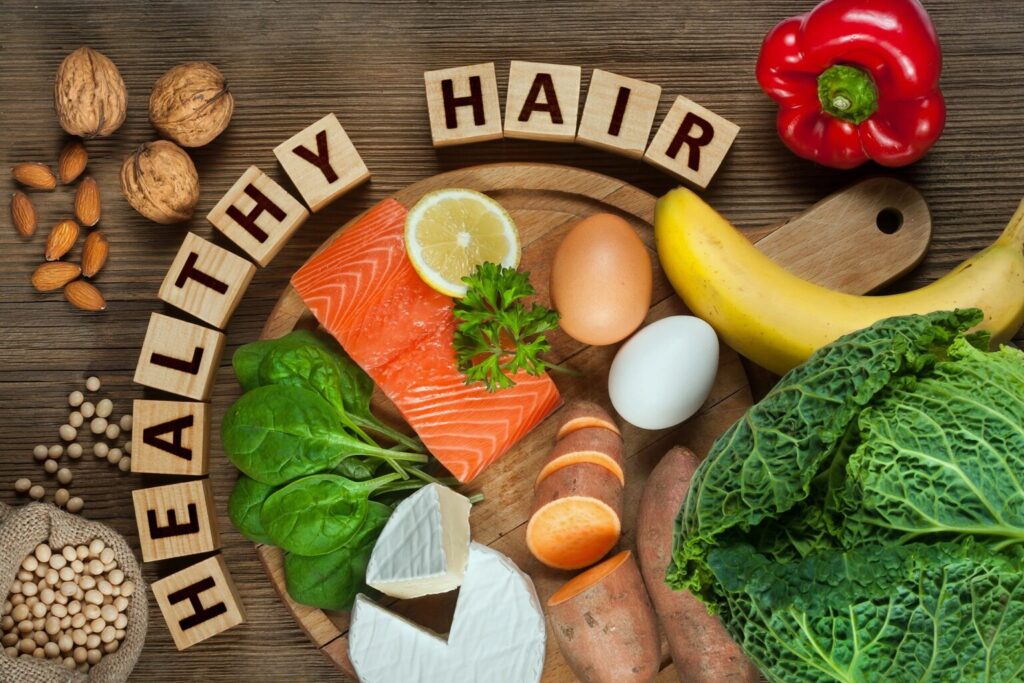
- A protein-rich diet comes first. Keratin is the main building block of hair and is produced from these proteins. Eggs, fish, chicken, red meat, yogurt, and legumes should be consumed regularly.
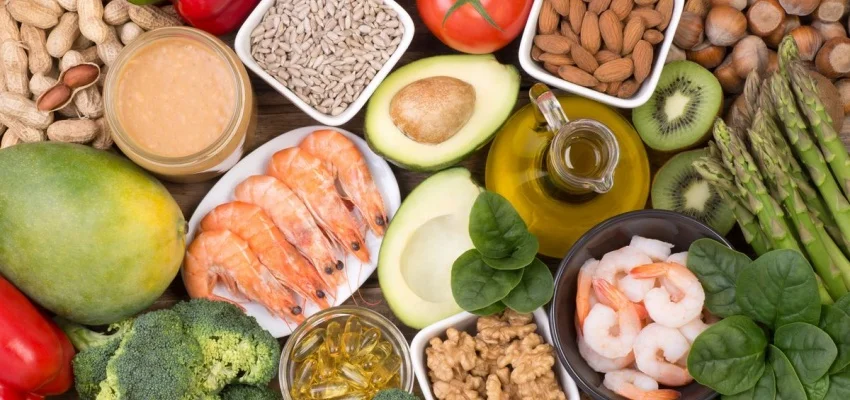
- Vitamin and mineral support is just as important as protein. B vitamins, zinc, iron, and biotin, in particular, play a critical role in hair health. Green leafy vegetables, whole grains, nuts, and seasonal fruits are highly valuable in this regard.
- Healthy fats should not be neglected either. Olive oil, avocados, and fish rich in omega-3 help maintain the moisture balance of the scalp.
Why is Water Consumption Important in This Process?

Most people underestimate the connection between hair health and water consumption. However, when you don’t drink enough water, blood circulation slows down, and the amount of oxygen and nutrients transported to cells decreases. This directly affects the nutrition of hair follicles. Drinking at least 2–2.5 liters of water per day after hair transplantation significantly contributes to the healing process.
Cigarettes, Alcohol, and Caffeine: Why Should You Avoid Them?
One of the most common mistakes made after hair transplantation is continuing harmful habits with the thought that “a few won’t hurt.”
- Smoking constricts blood vessels and negatively affects blood circulation. This reduces the amount of oxygen and nutrients reaching the transplanted hair follicles. As a result, the chances of the follicles taking hold decrease, and healing is delayed.
- Alcohol dehydrates the body and weakens the immune system. It also indirectly affects hair health by disrupting vitamin and mineral absorption.
- When consumed in excess, caffeine can increase stress hormones in the body and disrupt sleep patterns. Sleep is one of the most critical parts of healing after hair transplantation. Therefore, it is recommended to limit the consumption of coffee and similar beverages.
Is Nutrition Alone Enough?
Of course not. Nutrition is only one of the factors that affect the success of hair transplantation. However, without proper nutrition, it is difficult to get maximum results even from the best hair transplant technique. Nutrition shows its true effect when considered in conjunction with medication, scalp care, and lifestyle adjustments.
Not a Myth, but a Scientific Fact

In conclusion, the idea that nutrition after hair transplantation is unimportant is completely misleading. This topic is neither exaggerated nor a hearsay myth. On the contrary, it is a scientific necessity that supports the body’s natural healing power. People who undergo hair transplantation should view this process not only as an aesthetic procedure but as a holistic healing journey.
It is clearly observed that hair transplant results are healthier, stronger, and more permanent in individuals who eat properly, avoid harmful habits, and listen to their bodies. Therefore, the answer to the question “Is nutrition really important?” is clear: Yes, and even more than you might think.
Hairtrans.com was founded by world-famous plastic surgeon Dr. MFO, who is an expert in facial feminization or facial masculinization surgeries, and is managed under his leadership. Would you like to have a hair transplant under the coordination of a plastic surgeon with many years of experience?
Whether you are a trans woman or a natural born male or female, if you are looking for the best hair transplant, contact us now.
 English
  German
  Arabic
  Spanish
  French
  Dutch
Dutch  Italian
  Russian