
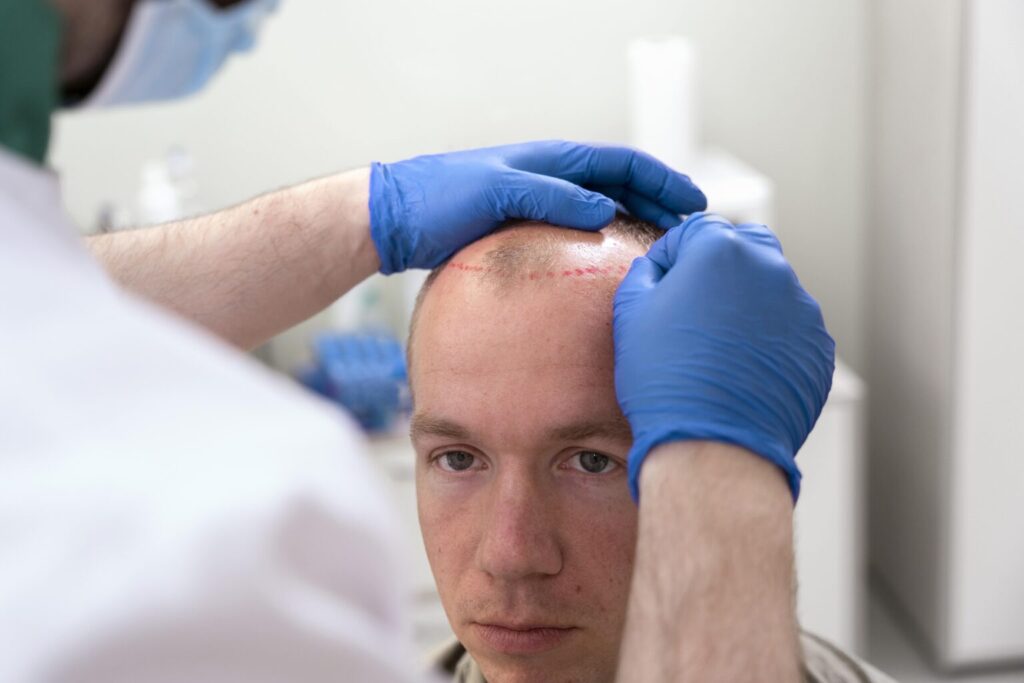
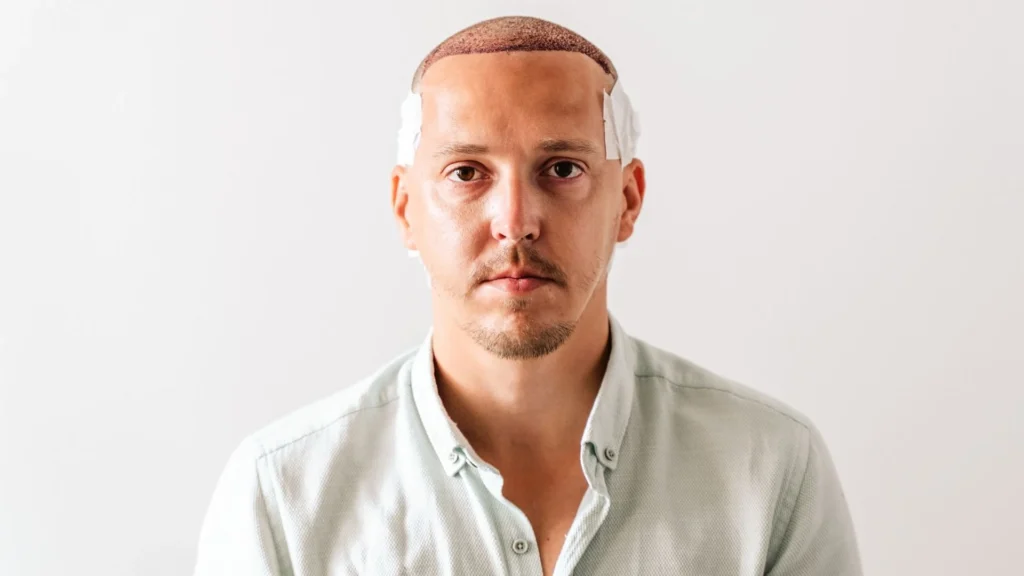
One of the crucial aspects of hair transplantation is overharvesting. Hair transplantation is considered one of the most effective and permanent solutions for people experiencing hair loss today. However, the success of this procedure is directly related not only to the area where the transplantation is performed but also to the correct and balanced use of the donor area from which the hair follicles are taken. One of the most common technical errors in hair transplantation is a condition called overharvesting. This error can lead to both aesthetic and permanent problems.
In this article, we will discuss in detail the definition of overharvesting in hair transplantation, its causes, the problems it causes, whether it is reversible, and how it affects second hair transplants.
İçindekiler
What is Overharvesting in Hair Transplantation?
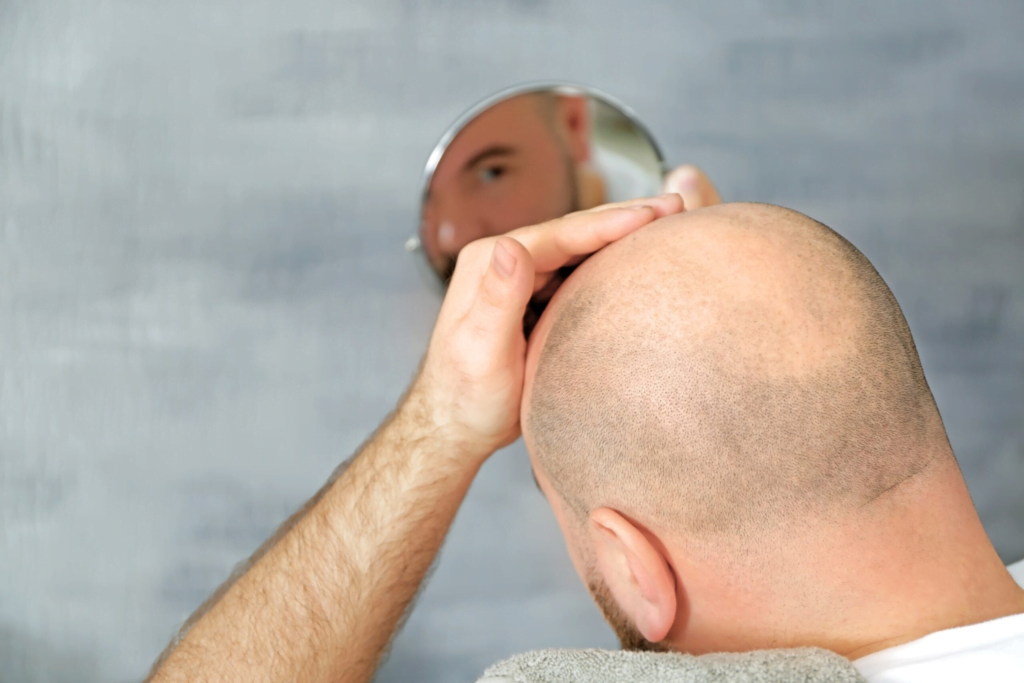
Overharvesting is the removal of more hair follicles than necessary from the donor area (usually the back of the neck and behind the ears) during hair transplantation. The donor area is the primary source for hair transplantation, and the hair follicles in this area are limited. In hair transplants performed by non-specialists or without proper planning, excessive graft harvesting may occur, disregarding the capacity of the donor area.
This can lead to visible thinning, uneven gaps, and permanent damage in the donor area. The goal of a healthy hair transplant is to preserve the donor area and achieve a natural and homogeneous appearance.
Problems Caused by Overharvesting
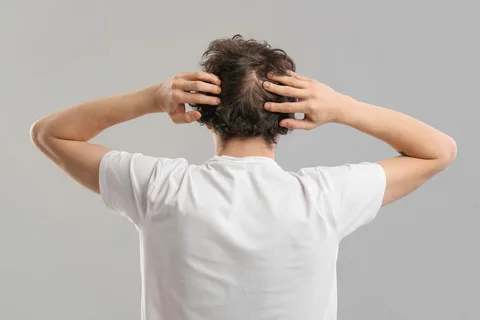
Overharvesting often brings some problems with it. Here are the main problems:
- Permanent Thinning in the Donor Area
Excessive harvesting significantly reduces hair density in the donor area. This is particularly noticeable when hair is worn short and negatively impacts the person’s aesthetic appearance. - Unnatural Appearance
Irregular gaps and scars in the donor area disrupt the natural structure of the hair. A patchy appearance may develop in the nape area. - Skin Problems and Scars
Excessive graft harvesting performed with the wrong technique can cause puncture scars, tissue damage, and skin sensitivity in the donor area. - Psychological Effects
People who undergo hair transplantation generally aim to regain their self-confidence. Aesthetic problems arising from excessive harvesting can lead to disappointment and loss of self-confidence.
Is There a Reversal for Over-Harvesting in Hair Transplantation?
Unfortunately, there is no complete reversal for over-harvesting in hair transplantation. Hair follicles taken from the donor area and damaged will not grow back. However, in some cases:
- Camouflage transplants in the donor area
- Hair simulation (SMP)
- Using longer hair
can partially improve the appearance. Therefore, the most important thing is to prevent excessive harvesting from the outset. At this point, the most important step to prevent this situation is to work with a surgeon and team who are experts in hair transplantation. An expert surgeon will analyze the donor area in the best possible way and plan the graft harvesting process accordingly.
Does Over-Harvesting Affect Second Hair Transplants?
Yes, over-harvesting directly and seriously affects second hair transplants. The donor area capacity is limited in hair transplantation, and after overuse:
- There may not be enough grafts left for a second transplant.
- It may be necessary to turn to alternative donor areas (from the beard or body).
- The success of the second transplant may decrease
- This situation creates a major disadvantage for people who continue to experience hair loss in the following years.
Therefore, the first hair transplant should be planned considering possible second or third sessions in the future.
How Can Over-Harvesting Be Prevented?
The key points to consider to prevent over-harvesting are as follows:
- Detailed analysis of the donor area
- Creating a personalized hair transplant plan
- Homogeneous and balanced harvesting of grafts
- The procedure being performed by an expert and experienced team
- A healthy results-oriented approach instead of promising “maximum grafts”
- Hair transplants performed with proper planning offer natural results and protect the donor area.
The Importance of Choosing the Right Surgeon for Hair Transplantation
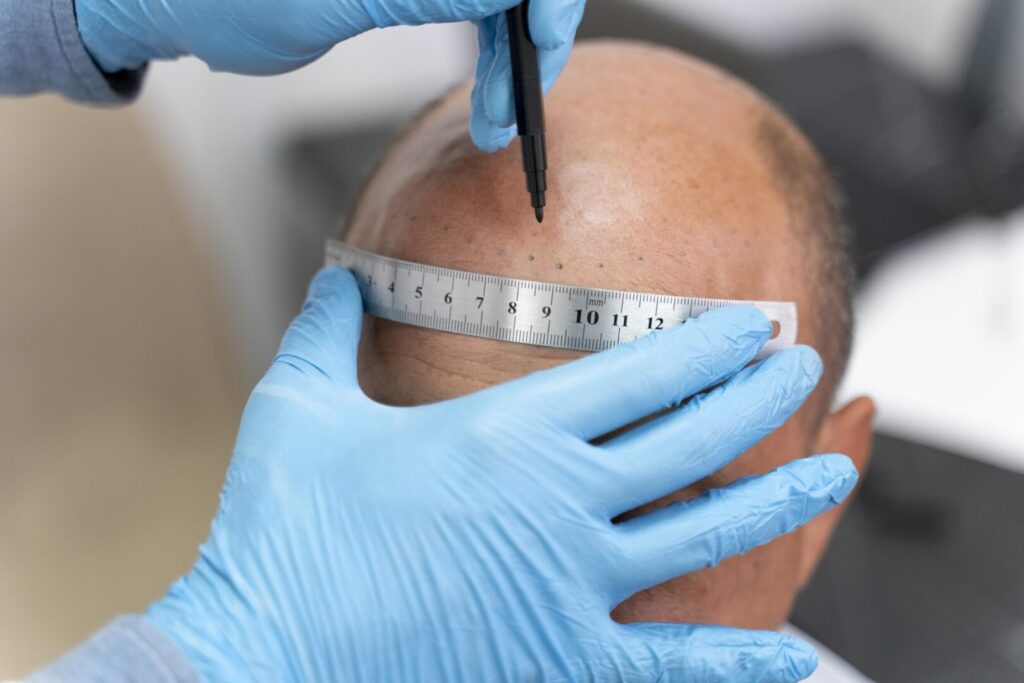
Hair transplantation is not only an aesthetic procedure but also an application that requires medical knowledge, experience, and advanced planning. Although it may seem simple, each stage requires separate care and professionalism. Therefore, the secret to success lies in choosing the right surgeon. Accurate analysis of the donor area’s capacity and the balanced and controlled extraction of grafts are only possible under the supervision of a surgeon who is an expert in the field.
Hair transplants performed by inexperienced individuals or those working with standard protocols significantly increase the risk of excessive harvesting. However, the right surgeon creates a personalized plan, taking into account not only the current hair loss but also potential future hair loss. This approach ensures natural results and helps preserve the donor area.
Furthermore, the surgeon personally managing the operation process is crucial in preventing possible complications. Choosing the right surgeon is an indispensable step for permanent, healthy, and aesthetic hair transplantation.
Conclusion: Healthy Hair Transplantation Starts with Proper Harvesting
Hair transplantation is a serious medical procedure that requires expertise and experience. Mistakes such as excessive harvesting can lead to irreversible aesthetic problems. This can cause permanent loss of self-confidence and hair thinning in many people. The journey that began with the dream of achieving healthy hair can turn into disappointment. Therefore, it is crucial for those considering hair transplantation to pay attention not only to the number of hairs to be transplanted but also to how the donor area is preserved. It is important to conduct detailed research on this subject and evaluate the process with a specialist surgeon.
Hair transplantation requires financial and emotional sacrifice. To ensure that these efforts are not wasted, every option should be evaluated thoroughly, and the right team should be chosen.
Hair transplants performed with the right technique, in a balanced and conscious manner, ensure a natural appearance and safeguard the donor area for any future hair transplants. A professional approach at every stage of the hair transplant process is essential for healthy, permanent, and aesthetic results.
Hairtrans.com was founded by world-famous plastic surgeon Dr. MFO, who is an expert in facial feminization or facial masculinization surgeries, and is managed under his leadership. Would you like to have a hair transplant under the coordination of a plastic surgeon with many years of experience?
Whether you are a trans woman or a natural born male or female, if you are looking for the best hair transplant, contact us now.
 English
  German
  Arabic
  Spanish
  French
  Dutch
Dutch  Italian
  Russian