

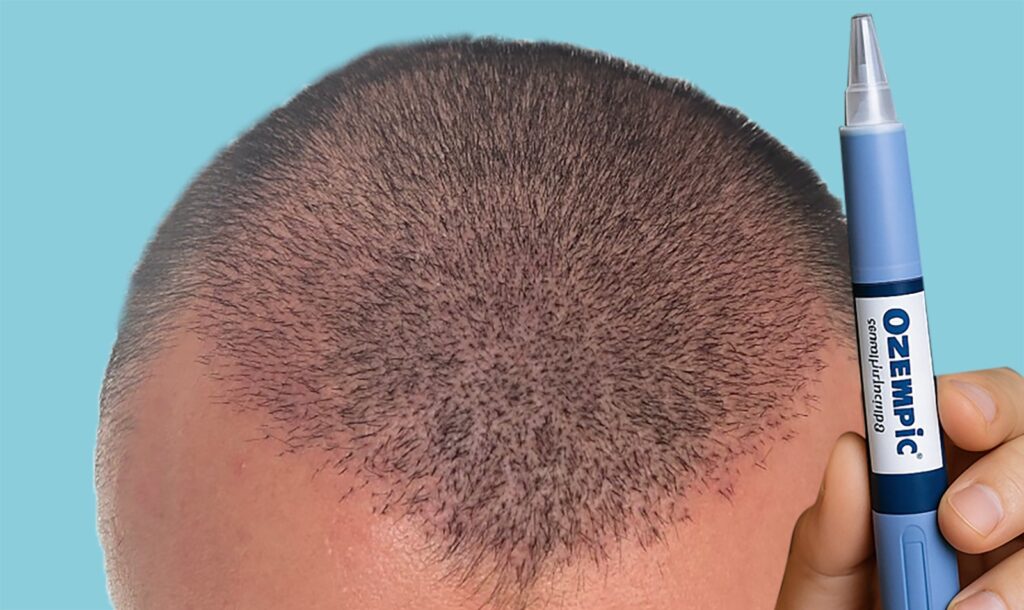
Should you lose weight with Ozempic or get a hair transplant? Which should come first? Will Ozempic harm the hair transplantation process? Does Ozempic cause hair loss and affect the hair transplantation process?
All these questions have become the most frequently asked questions by those who want to have hair transplantation along with Ozempic (semaglutide), which has been widely used in weight control and insulin resistance treatment in recent years. Ozempic, one of the weight loss drugs, is taking the world by storm due to its rapid weight loss. However, along with effective weight loss, some side effects may also occur. Hair loss is one of the main effects.
İçindekiler
What is Ozempic and How Does it Work in the Body?
Ozempic is a drug that works as a GLP-1 receptor agonist. Its main effects are:
• Suppressing appetite,
• Slowing stomach emptying,
• Balancing blood sugar.
Thanks to these effects, weight loss occurs rapidly. However, rapid weight loss comes with some physiological consequences that can indirectly affect hair health.
What is Ozempic and How Does it Work in the Body?
Ozempic is a drug that works as a GLP-1 receptor agonist. Its main effects are:
• Suppressing appetite • Slowing stomach emptying • Balancing blood sugar
Thanks to these effects, weight loss occurs rapidly. However, rapid weight loss comes with some physiological consequences that can indirectly affect hair health.
Should Hair Loss Caused by Ozempic Be Taken Seriously?
Recently, Ozempic, which is frequently used for both weight control and insulin resistance treatment, has brought some concerns along with its effective results for many people. This is one of the most frequently asked questions on this topic.
The answer to this question is of vital importance, especially for those who care about hair health, are considering hair transplantation, or are currently experiencing hair loss.
Should Hair Loss Caused by Ozempic Be Taken Seriously?
Recently, Ozempic, which is frequently used for both weight control and insulin resistance treatment, has brought some concerns along with its effective results for many people. This is one of the most frequently asked questions on this topic.
The answer to this question is of vital importance, especially for those who care about hair health, are considering hair transplantation, or are currently experiencing hair loss.
Ozempic Does Not Directly Target Hair Follicles
First, it is important to make a very clear distinction: Ozempic is not a drug that directly negatively affects hair follicles. In other words:
- It does not kill hair follicles.
- It does not directly trigger genetic hair loss.
- It does not cause permanent damage to the scalp.
Most of the hair loss seen after Ozempic is not caused by the drug itself, but by the indirect changes it creates in the body.
Rapid Weight Loss Can Trigger Telogen Effluvium
The most common cause of hair loss in people using Ozempic is rapid weight loss. This condition is called telogen effluvium in medicine. Telogen effluvium:
- Stress
- Rapid weight loss
- Sudden metabolic changes
- Nutritional deficiencies causes hair to temporarily enter a resting phase.
This type of hair loss does not cause permanent damage. In other words:
- The hair follicle does not die.
- Hair loss usually begins 2–4 months later.
- Hair begins to grow back within 6–9 months.
Nutritional Deficiencies Can Increase Hair Loss
Because Ozempic suppresses appetite, some people may not eat enough. This can lead to a decrease in levels of nutrients critical for hair health, such as:
- Protein,
- Iron,
- Zinc,
- Vitamin B12
In summary, it is inadequate and poor nutrition, rather than weight loss drugs, that causes hair loss. If vitamin and mineral deficiencies caused by this type of diet go unnoticed for a long time:
- Existing hair strands weaken,
- New hair growth is delayed,
- The process may accelerate in people with a genetic predisposition to hair loss.
Does Hair Loss After Ozempic Always Reverse?
The answer to this question varies depending on the individual and the circumstances. Situations where lost hair regrows include:
- Hair loss caused by telogen effluvium,
- Hair loss due to nutritional deficiencies,
- When the stress factor is eliminated, hair in this group largely regrows.
Permanent hair loss occurs in the following situations:
- If the person already has androgenic alopecia (genetic hair loss),
- If Ozempic triggered this hair loss,
- If the hair follicles remained weak for a long time, some of the lost hair may not grow back.
Is Hair Transplantation a Solution for Permanent Loss?
Yes, hair transplantation is an effective solution when performed at the right time and on the right person. However, hair transplantation is not immediately recommended for everyone experiencing hair loss after Ozempic.
Is Using Ozempic Before Hair Transplantation Risky?
Before hair transplantation, the body must be balanced, stable, and ready for healing. The use of Ozempic must be carefully evaluated during this process. Possible risks:
- Existing hair being in the active shedding phase
- Weakening of the donor area
- Insufficient protein and micronutrient intake
- Slow wound healing
If the person is using Ozempic and:
• Is losing weight rapidly • Has increased hair loss • Does not have a stable diet
It may not be the right time for hair transplantation. In this case, most experts recommend stabilizing the weight loss process and stopping hair loss.
Can Hair Transplantation Be Performed While Using Ozempic?
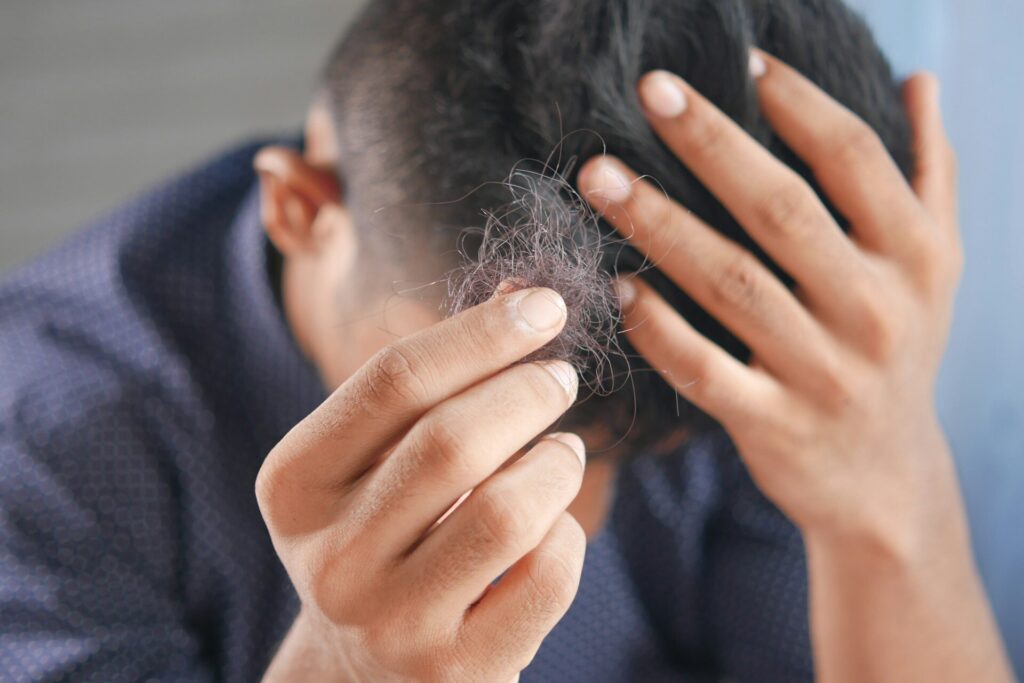
Yes, it can be done if the right conditions are met. However, an individual assessment is required at this point. Suitable candidates are generally:
• Those whose weight loss process has slowed down • Those with normal blood values • Those without active hair loss • Those with balanced protein and vitamin levels
Therefore, before hair transplantation, the following must be done:
• Blood tests • Nutritional status analysis • Hair loss type assessment
Is it safe to use Ozempic after hair transplantation?
The period after hair transplantation is the process of hair follicle attachment and healing. During this period, the body undergoes intensive processes such as:
• Tissue repair • New hair formation • Inflammation control
The indirect effects that Ozempic use may have during this process are as follows:
• Insufficient calorie intake • Protein deficiency • Low zinc, iron, and B12 levels • Slowed healing
For this reason, most experts recommend pausing Ozempic use for the first 1–3 months after hair transplantation or monitoring it very closely.
Is Hair Loss After Ozempic Permanent?
No, it is mostly not permanent. Hair loss after Ozempic usually resolves on its own when:
- The diet stabilizes,
- Weight loss slows down,
- Vitamin and mineral deficiencies are corrected.
However, in individuals with genetic hair loss (androgenetic alopecia), this process may make existing hair loss more noticeable. At this point, hair transplantation can be a permanent solution.
The Right Way to Manage Hair Transplantation and Ozempic Together
These two important processes are extremely important for everyone. Which one should take priority depends on the individual’s expectations. However, finding the right way to manage these two processes together is of great importance, both for health and mental well-being. The healthiest approach is as follows:
- First, the weight loss process is stabilized.
- Nutrition and blood values are balanced.
- The type of hair loss is clarified.
- Then, hair transplantation is planned.
This sequence both increases the success of the transplant and ensures that the transplanted hair is stronger in the long term.
Is Ozempic an Obstacle to Hair Transplantation?

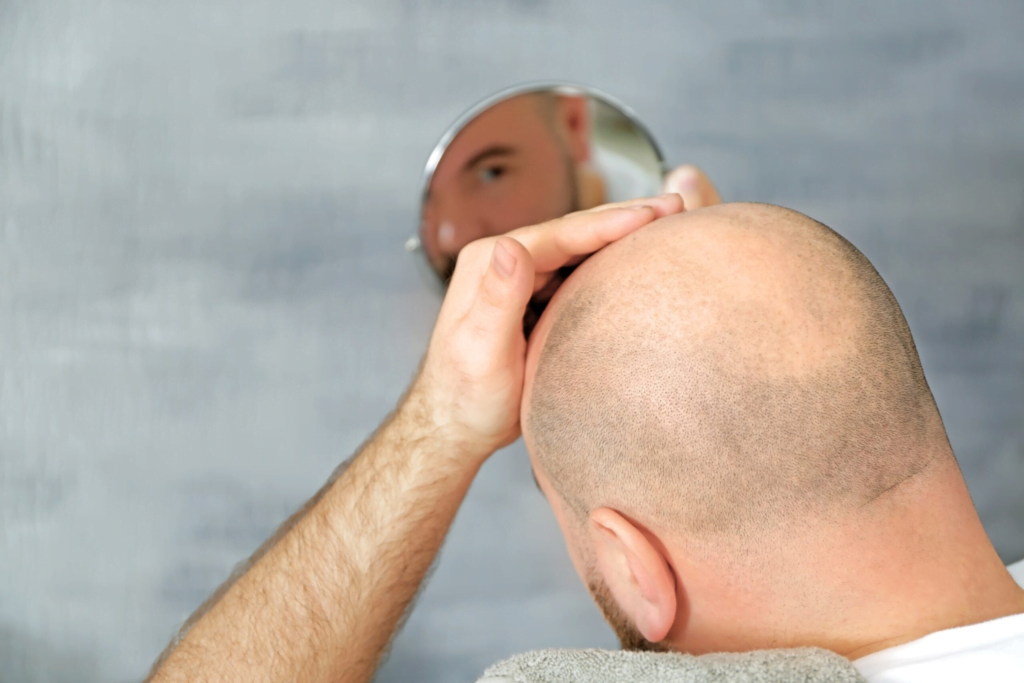
Experiencing hair loss after using Ozempic can be worrying. However, not all hair loss is permanent, and not all hair loss requires hair transplantation. With proper assessment, correct timing, and realistic expectations, hair health can be preserved, and if necessary, permanent solutions can be achieved through hair transplantation. Hair loss is a result; the important thing is to correctly identify the cause.
Hairtrans.com was founded by world-famous plastic surgeon Dr. MFO, who is an expert in facial feminization or facial masculinization surgeries, and is managed under his leadership. Would you like to have a hair transplant under the coordination of a plastic surgeon with many years of experience?
 English
  German
  Arabic
  Spanish
  French
  Dutch
Dutch  Italian
  Russian