
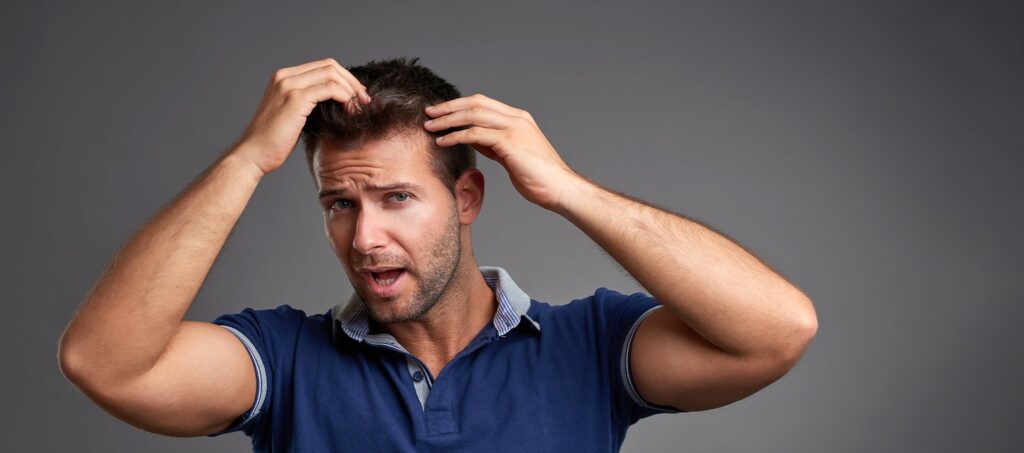
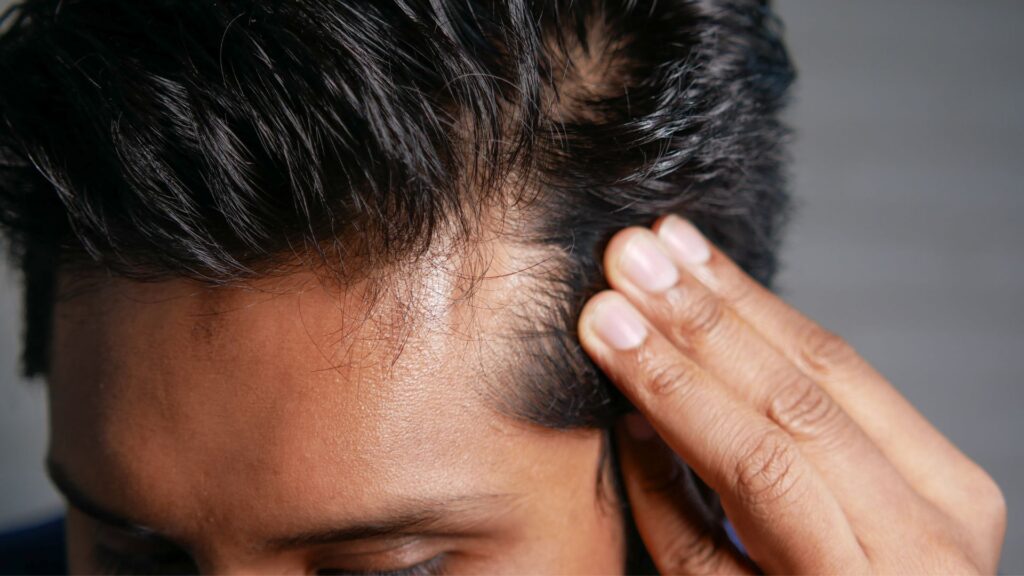
Hair transplantation is a procedure that has significant aesthetic and psychological consequences today. However, a successful hair transplant is not limited to the right technique and an experienced team. The individual’s lifestyle, mood, and especially stress level before and after the procedure can be much more decisive in determining the results than one might think. This raises a frequently asked question: Does stress really affect hair transplant results?
In this article, we discuss the effects of stress on hair health, its relationship with the hair transplant process, and what to pay attention to for better results.
İçindekiler
The Relationship Between Stress and Hair Health
Stress is a condition that directly affects the body’s hormonal and immune systems. Under prolonged or intense stress, cortisol levels in the body rise. This increase in hormones can disrupt the nourishment of hair follicles and negatively affect the hair growth cycle.
Hair normally goes through three stages: growth (anagen), transition (catagen), and shedding (telogen). Intense stress can cause hair follicles to enter the shedding phase prematurely. This condition is known in medicine as telogen effluvium and leads to widespread hair loss.
Why is the Post-Hair Transplant Period Sensitive?
After transplant, the hair follicles try to adapt to their new location. During this process:
- Blood supply to the follicles
- Tissue healing
- Cellular repair are quite critical.
- Stress can slow down these natural healing mechanisms.
The first few months are particularly sensitive in terms of the survival of the transplanted follicles. In individuals under intense stress during this period:
- Delayed healing,
- More pronounced shock loss,
- Irregular hair growth may occur.
Does Stress Reduce Hair Transplant Success Rates?
The answer to this question is clearly “indirectly, yes.” Stress does not directly destroy the transplanted grafts; however, it can make it difficult for hair roots to grow healthily. Weakened circulation, irregular sleep patterns, and suppression of the immune system prevent hair follicles from developing in an ideal environment.
Furthermore, in stressed individuals:
- Cigarette and caffeine consumption may increase,
- Sleep quality may decrease,
- Nutrition may become irregular,
- All of these factors are indirect risks that negatively affect hair transplant results.
The Relationship Between Psychological Expectations and Stress
Many people who undergo hair transplantation eagerly await the results. However, hair transplantation is a “time” process. Hair loss in the first few months and not seeing immediate change when looking in the mirror can cause anxiety. This anxiety can turn into stress over time.
However, after hair transplantation:
- Shock loss in the first 1–3 months is normal.
- The first growth begins in 4–6 months.
- The actual density becomes apparent in 9–12 months.
Every day spent unaware of this process can become an unnecessary source of stress. Being aware is one of the most effective ways to reduce stress levels.
How Does Reducing Stress Support Hair Transplant Results?
A calmer and more balanced psychological state indirectly improves hair transplant results. Keeping stress under control:
- Supports blood circulation,
- Accelerates cellular renewal,
- Improves sleep quality,
- Maintains hormonal balance,
- This contributes to healthier growth of transplanted hair follicles.
Recommendations for Stress Management After Hair Transplant
To reduce stress after hair transplantation, it is recommended to pay attention to the following points:
- Sleep routine: Adequate and quality sleep every night is fundamental to the healing process.
- Nutrition: A diet rich in protein, vitamins, and minerals supports hair follicles.
- Physical activity: Light walks both increase circulation and relax the mind.
- Caffeine and nicotine control: Excessive consumption can increase stress hormones.
- Information about the process: Knowing what to expect reduces stress caused by uncertainty.
If necessary, breathing exercises, meditation, or short-term professional support can also contribute positively to the process.
Does Stress Always Lead to Negative Results?
No. The natural stress of daily life does not usually dramatically affect hair transplant results. What matters here is chronic and intense stress. Long-term anxiety, panic, and uncontrolled lifestyle habits put pressure on hair health. In short, short-term stress is normal; however, stress becoming a lifestyle can create a risky environment in terms of hair transplant results.
Conclusion
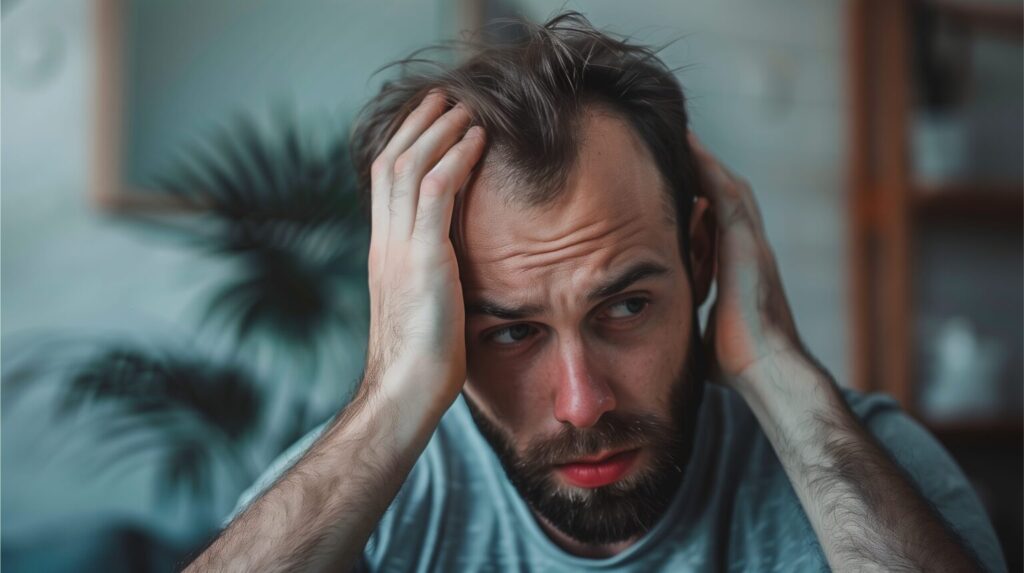
Stress is not the sole factor determining the success of hair transplantation; however, it is an important complementary factor that directly affects the process. The post-transplantation period should be viewed not only as a physical recovery process but also as a process that must be approached with body and mind integrity.
A calm mind, balanced lifestyle, and patient approach are as integral to successful outcomes as the right technique, experienced team, and proper care. Individuals who approach the hair transplant process with this holistic perspective achieve more satisfying results, both aesthetically and psychologically.
Hairtrans.com was founded by world-famous plastic surgeon Dr. MFO, who is an expert in facial feminization or facial masculinization surgeries, and is managed under his leadership. Would you like to have a hair transplant under the coordination of a plastic surgeon with many years of experience?
Whether you are a trans woman or a natural born male or female, if you are looking for the best hair transplant, contact us now.
 English
  German
  Arabic
  Spanish
  French
  Dutch
Dutch  Italian
  Russian