
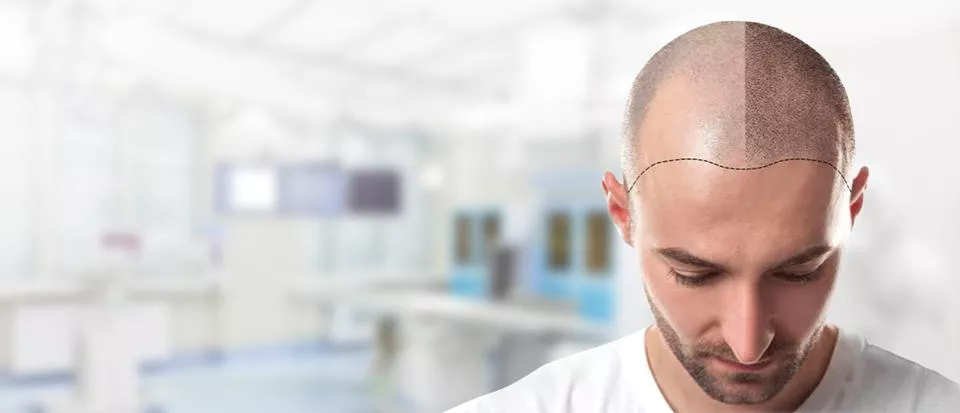
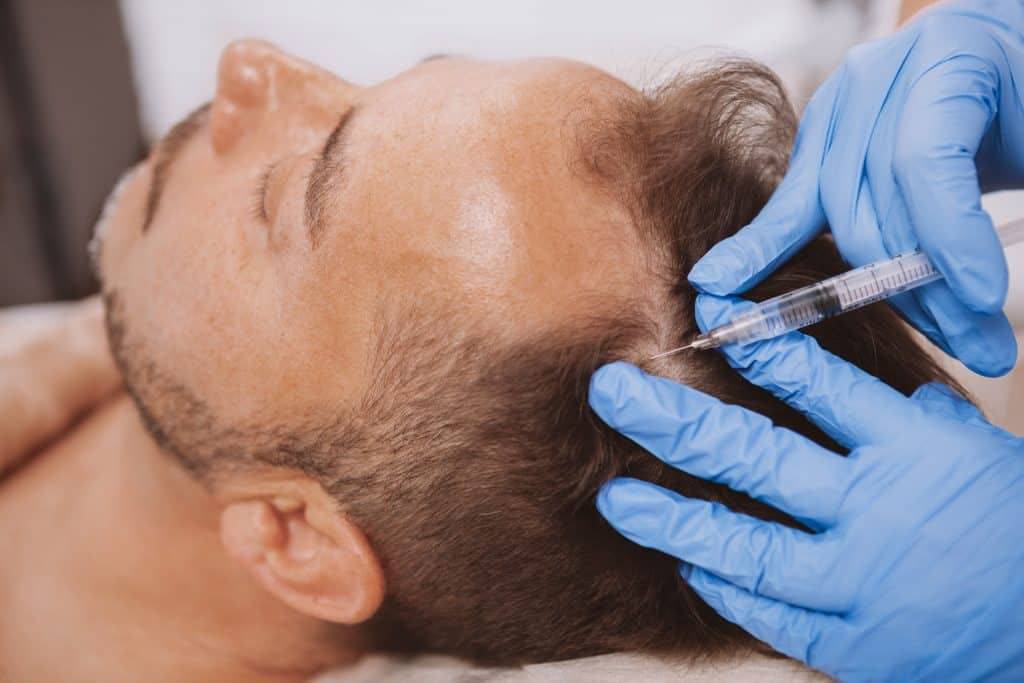
For individuals seeking feminization, the desire for a more authentic, natural appearance is a priority. Hair plays a crucial role in framing the face and can significantly impact how gender is perceived. For transgender women or those undergoing facial feminization, hair transplant surgery offers a pathway to achieving fuller, more feminine hairlines. But one of the biggest concerns that often arises is: “Can I have a natural-looking hair transplant?”
The short answer is yes. Advances in hair transplant technology have made it possible to achieve seamless, natural results. In this blog, we’ll explore how modern techniques ensure natural-looking hair transplants, what factors influence the outcome, and why this procedure can be especially beneficial for individuals seeking feminization surgery.
İçindekiler
Why Hair Transplants Matter for Feminization
For many transgender women and non-binary individuals, the hairline is a significant concern when transitioning. Masculine hairlines are typically more receded, forming an “M” shape, with a broader forehead and thinning temples. In contrast, a traditionally feminine hairline is often lower and rounder, with more fullness around the temples. These subtle differences can have a profound effect on overall facial aesthetics.
By using a hair transplant, you can modify your hairline to complement other feminization techniques like facial contouring or brow lifts. This is an ideal procedure. By restoring hair density and altering the hairline to appear more feminine, surgery can provide the ultimate solution to a gender-affirming transformation.
What are the steps to achieve a natural-looking hair transplant?
The hair transplant that looks natural is dependent on several factors, including the technique used, the proficiency of the surgeon, and the quality of donor hair. Transplanted hair is almost identical to natural hair due to the advancements in modern techniques. It grows just like normal hair for a seamless transition.
Here’s how the process works:
Advanced Techniques
Two primary methods for hair transplantation are FUE and FUT. The two methods involve transferring hair follicles from the back or sides of the scalp to the thinning or receding areas.
Individual follicles are removed from the donor area and then implanted into the recipient region using this technique. FUE is a more non-invasive treatment that results in minimal scarring and faster recovery. The patients who prefer this method for feminization see it as the most effective way to achieve a more natural hairline.
Prior to transplanting, the donor area is stripped of a strip of skin with hair in this technique, which is then broken down into smaller units. FUT may be effective, but it can still leave a linear scar at the donor site. Even if performed by a skilled surgeon, it can still produce symmetry.
Hairline Design
A natural look is closely linked to the design of the hairline. An effective hairline is determined by the proportions of the face, the natural curvature of a feminine hair line, and personal preferences. Often, experienced surgeons merge artistic and technical skills to ensure that the new hairline perfectly suits your face and feminizes your appearance.
The transformation could lead transgender women to adopt a more round and softer appearance, with less temple recession and hairline reduction at the lower end of their forehead. This would make them appear less full on chine. The objective is to produce a hairline that appears natural.
Placement of Follicles
The positioning of the follicles is carefully examined. Surgeons closely monitor the angle, direction and depth at which hair is transplanted. The result is that when the hair grows, it imitates the natural structure of your existing hair, blending in seamlessly and looking undetectable.
Density and Distribution
To achieve a natural-looking transplant, it’s important to ensure that the density of the hair being transplanted is in line with that of its surrounding area. Skilled surgeons have a talent for evenly spreading the hair, which results in wholesome and full-looking outcomes. Careful observation is essential when someone is going through a process of feminine transformation, as it can help them appear softer and more defined.
Which elements Influence the Naturalness of Hair Transplants?
The naturality of your hair transplant is contingent on several factors:
Surgeon Expertise
The proficiency of your surgeon is indispensable. Feminine hairline transformation is a delicate process that necessitates precise procedures, making it crucial to seek guidance from experienced surgeons. A surgeon specializing in transgender hair transplantation will understand the aesthetic requirements of feminization and will tailor their approach accordingly.
Quality of Donor Hair
If you want a transplant, it’s important to have good quality donor hair. Ideally, the donor hair should match well with the texture and thickness of the surrounding hair. Typically, it is extracted from the back of the scalp, where hair is more responsive to hormonal fluctuations or thinning.
Post-Surgical Care
How you maintain your scalp’s hygiene after surgery is a crucial factor in the success of your hair transplant. If you follow your surgeon’s aftercare instructions, including avoiding sun exposure, minimizing any potential harm to your scalp and avoid excessive scratching, using prescribed medications will ensure successful healing.
Hormonal Considerations
Hormone replacement therapy (HRT) patients are frequently anxious about the impact of estrogen on hair growth or retention after a transplant. Although HRT can prevent hair loss and promote hair growth, it’s important to discuss with your surgeon how these hormonal changes may affect the transplant.
Are Hair Transplants Permanent?
A hair transplant typically results in permanent outcomes. The hair follicles that are transplanted are obtained from areas of the scalp that typically don’t experience hair loss, and they remain in place. Even so, one must note that some thinning can occur as a result of natural age.
Those experiencing feminization can find solace in the fact that this permanence is present. The hair transplanted will blend into your natural hair and maintain a long, feminine appearance.
Is it possible to achieve natural outcomes through non-surgical means?
In case of unpreparedness for surgery, minoxidil (Rogaine) or platelet-rich plasma(PRP) treatments can be used to stimulate hair growth and promote hair regrowth. Despite their non-surgical nature, these methods are not as natural or permanent as a hair transplant.
If desired, hair growth may be stimulated temporarily without surgery or surgical intervention, with the option of a permanent transplant being viewed as advisable.
Achieving a Natural, Feminine Look.
For those seeking to enhance their sex appeal, a hair transplant can be incredibly beneficial. A hair transplant that looks natural is not only feasible but also possible thanks to modern techniques and skilled surgeons. A hair transplant can provide the desired look for a few reasons, such as reshaping your hairline or getting rid of excess weight and fullness.

 English
  German
  Arabic
  Spanish
  French
  Dutch
Dutch  Italian
  Russian