
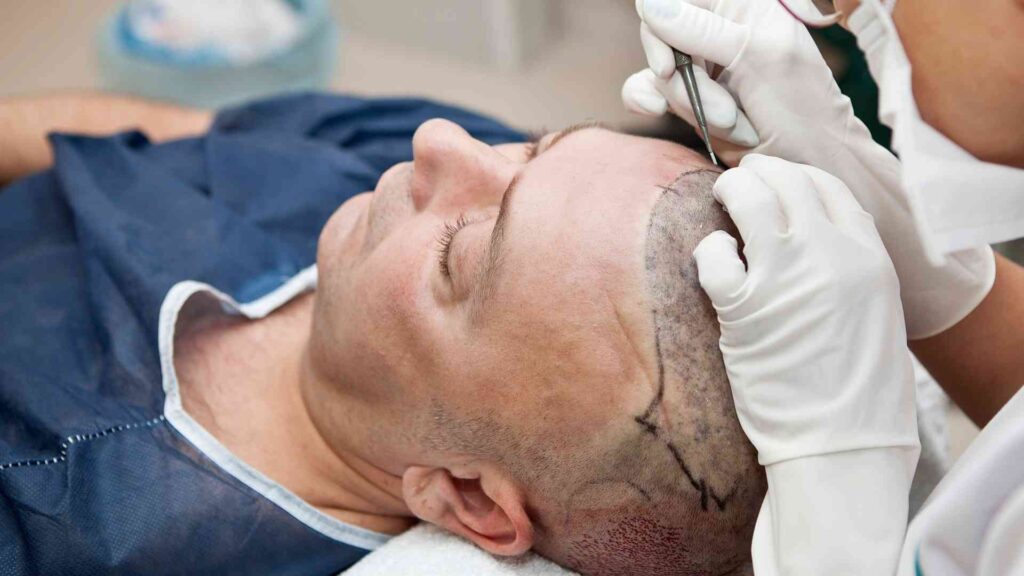
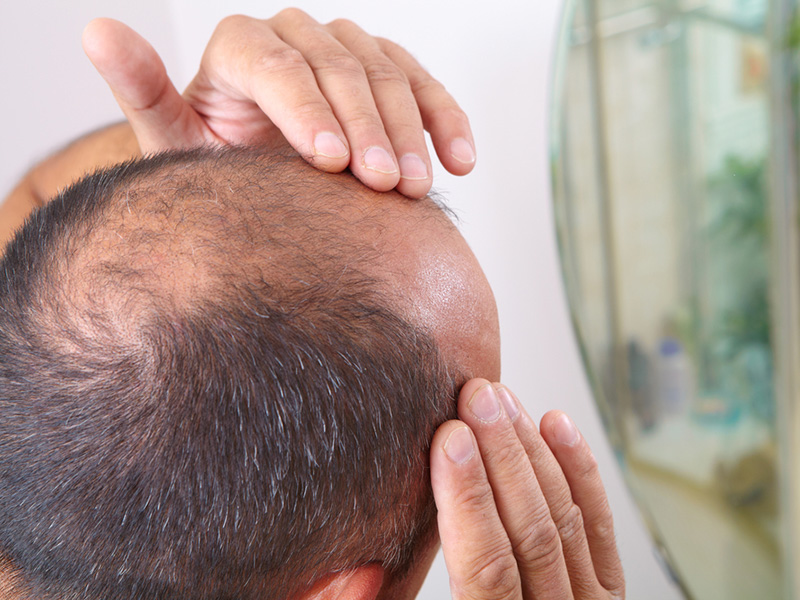
For many people, the shape and position of their hairline can be a source of concern. Whether due to genetics, age, or hormonal changes, a receding or uneven hairline can significantly impact one’s appearance and self-confidence. Hairline correction through hair transplantation has emerged as a highly effective solution for individuals looking to reshape and rejuvenate their hairline, whether they’re dealing with a naturally high hairline, hair loss, or the desire to refine their facial features.
İçindekiler
What Causes Hairline Issues?
There are several reasons why someone might seek hairline correction, including:
- Genetics: Many people are born with high or uneven hairlines, which can affect their self-esteem. A naturally high hairline can give the appearance of a larger forehead, which some may feel detracts from their overall facial balance.
- Aging and Hair Loss: Over time, it’s common for hair to thin and recede, particularly in the frontal areas of the scalp. For many men, male-pattern baldness starts with a receding hairline. Women may also experience hair thinning along the hairline, particularly after childbirth or during menopause.
- Hormonal Changes: Hormonal shifts, such as those experienced during pregnancy, menopause, or hormone replacement therapy (HRT), can affect hair growth and contribute to hairline recession or thinning.
- Prior Cosmetic Procedures: Individuals who have undergone facial surgery, such as brow lifts or forehead reductions, may notice changes in their hairline position. Hair transplantation can help restore a natural, youthful look in such cases.
Regardless of the cause, hairline correction through hair transplantation can offer a long-term solution to these concerns.
Will Hair Transplantation be able to straighten out the hairline?
The hair transplantation process is a highly successful technique for correcting and reshaping the hairline. FUE and FUT are two techniques that surgeons can use to achieve a more natural appearance, allowing you to feel confident in your appearance.
Here’s how the process works:
Consultation and Design
A comprehensive consultation is required before hairline correction. In this procedure, your surgeon will observe your hairline, scalp, and the condition of your entire hair. All these factors will be taken into account. This is a vital step in creating symmetry for both men and women, as it determines the appearance and style of your hairline.
When crafting a hairline, factors such as:
Your facial proportions should be balanced by your hairline. Those seeking traditional femininity may find a hairline that is lower and rounder, while those with softer, more angular hairlines may prefer to keep their style strictly masculine.
To ensure a natural growth pattern, your surgeon will make sure that the new hairline follows the natural direction and angle of hair growth.
Hair follicles are strategically placed to achieve a uniform density, creating symmetry and highlighting.
Taking into account these details, your surgeon can create an attractive hairline that balances out your face.
Hair Transplantation Techniques
Two main methods for correcting hairline extensions are:
- During FUE, hair follicles are removed from the donor area and then transferred to the recipient area along its hairline. The minimally invasive approach of FUE results in little or no scarring, leading to faster recovery. This method is suitable for both men and women, as well as individuals undergoing gender transition.
- During FUT, hair from the donor area is removed and transplanted into smaller grafts along the skin of the affected area. While linear scar is likely to persist, FUT enables more grafts to be transplanted in one go.
The efficacy of both methods is dependent on your individual scalp condition, personal requirements, and the extent of hairline correction required.
Hairline Customization for Gender-Affirming Results
The process of hairline correction is a crucial step in the transformation process for transgender individuals, particularly those who are experiencing feminization or masculinization procedures. Transgender women may choose to trim or re-arrange their hairline to achieve a more traditional feminine appearance, while trans men may prefer revealing and masculine hairlines.
At our clinic, we offer tailored care so that your hair transplant will be as natural as you are, and look more beautiful. “. Each patient’s hairlines are carefully crafted to enhance and affirm their individuality.
Understanding the steps involved in the hairline transplant procedure can alleviate any anxieties you may have about the process.
Here’s what to expect:
- The Procedure
During the surgery, you can expect to be well-adjusted with local anesthesia. Depending on the size of the area affected, the treatment process can take anywhere from a few hours to ten days.
The hair follicles are extracted and then placed into the desired area along the hairline, with care. By using specialized equipment, surgeons can guarantee the precise growth of the transplanted hair in a natural direction and angle.
- Recovery
Mild swelling or redness may occur after surgery, but it usually resolves within days.. Patients can usually resume their normal activities within a week, but they should avoid strenuous activities and direct sun exposure to speed up the healing process.
- Results Timeline
Remember that the complete results of hairline transplantation are not visible immediately. Initially, the transplanted hair will shed during the first few weeks after the procedure. This is a typical part of the process, as the follicles go into rest before new growth begins.) New hair will begin to grow within the next 6 to 12 months and usually show up around a year later.
Hairline correction can transform the way you look and feel about yourself, regardless of whether you’re male, female, non-binary, or transgender.
Here are a few important advantages:
Achieving Better Balancing: Restoring Your Hairline can help your face appear and feel more balanced.
The natural outcome of hairline transplantation is impossible to detect with proper technique and surgeon. This is possible. “The results are remarkable.”.
Hair transplants are a permanent remedy for issues with the hairline. The growth of the transplanted hair will persist for a lifetime, providing long-term benefits.
Hairline correction is a crucial step in affirming transgender identity and contributing to achieving an authentic and homogeneous appearance. This requires regular attention and treatment.
Why is Turkey considered the ideal country for hairline transplants?
With its excellent quality and affordability, Turkey has become a top destination for hair transplantation, with people coming from all over the world. The procedure is performed on recurrent or advanced procedures. Several reasons why Turkey is the best option for your hairline:
Gender-specific Hair Transplant Specialists: Turkey has some of the most renowned hair transplant experts in the world.
In Turkey, hair transplants offer a cost-effective solution that does not compromise on quality. Prices range from $1,500 to $4,000 depending on the technique used and the extent of the operation – making it an affordable option for many.
High-Tech Clinics: Turkish clinics are equipped with the latest equipment and follow rigorous international guidelines, so you can expect world class care during your hair transplant procedure.

 English
  German
  Arabic
  Spanish
  French
  Dutch
Dutch  Italian
  Russian