
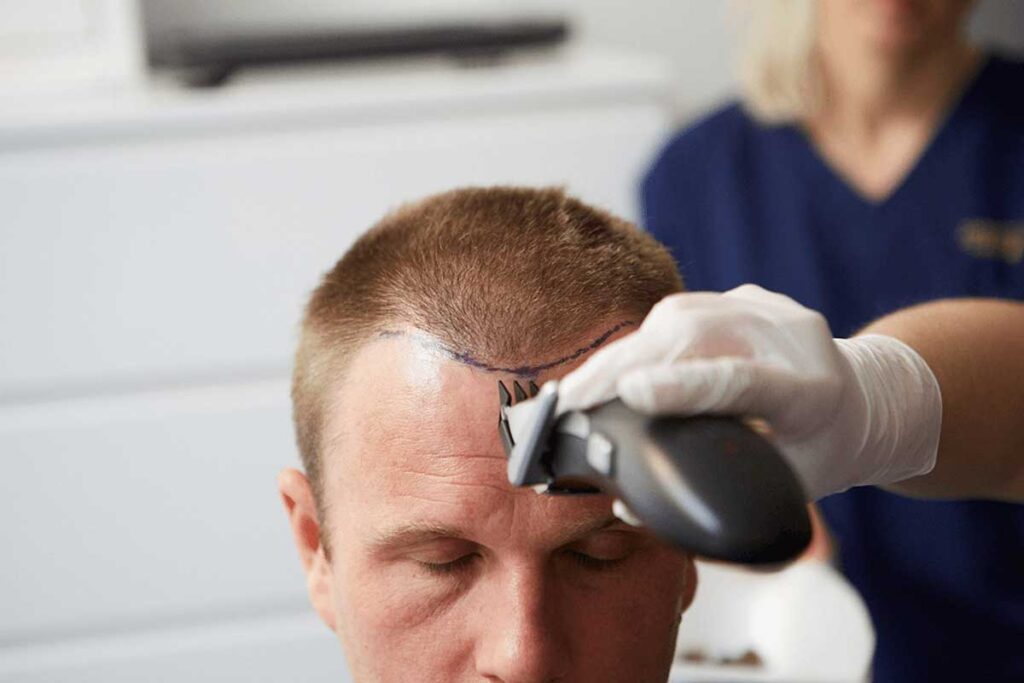
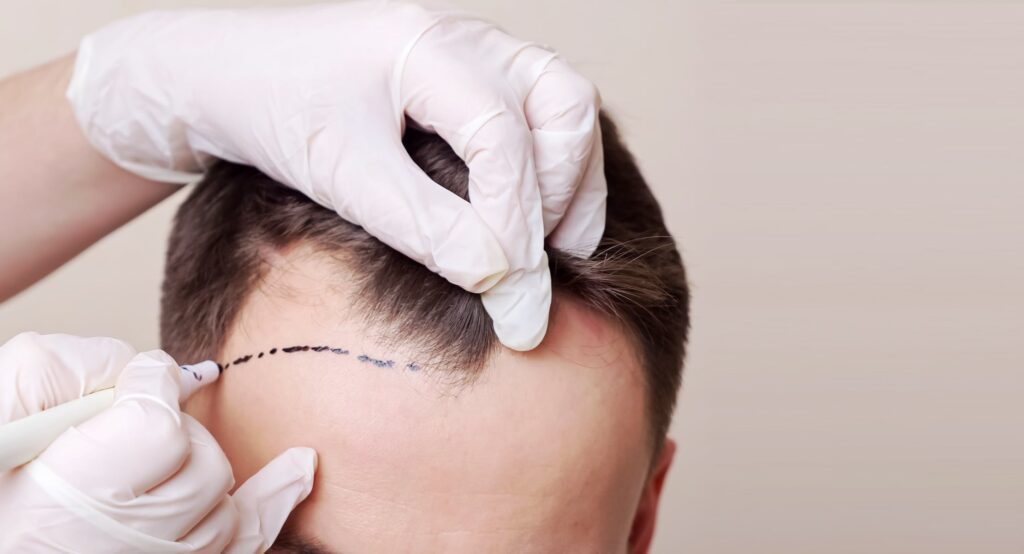
Although hair transplant design may seem like a simple procedure, each stage must be planned with great precision to achieve successful results. This is because hair is a key element that completes facial aesthetics. A poorly planned hair transplant that does not suit the person’s face shape can lead to poor results. This situation can particularly stem from mistakes made in designing the hairline and planning the correct density. Clinically, our hair transplant team performs hair transplants planned according to each person’s facial features. This means a successful transplant, especially from an aesthetic point of view.
The transplanted hair is permanent, but the hair loss process will continue in areas where no transplant is performed. This situation should be taken into account for good planning. In addition, designs should always look natural and suit your face shape. The number of donor hairs available for transplantation is always limited, so it is important that each graft is carefully processed and that the patient knows exactly which areas will be covered by the transplant. All these elements form the basic elements of proper hair transplant design.
İçindekiler
How is the Hairline Determined?
A natural and aesthetic hairline is one of the cornerstones of the hair transplant or design process. A hairline determined in accordance with facial features adds balance and youthfulness to a person’s appearance, enhancing their aesthetic appeal. However, this process is not just about increasing hair density; it requires a personalized design using the right techniques and an expert approach.
Recently, the Italian line method has attracted attention for its aesthetic results in determining the hairline. This method stands out by offering a natural hairline design based on facial features. So, how is the hairline determined? What are the advantages of the Italian line method? In this article, you will discover the frequently asked questions about natural front hairline design and the unique benefits offered by this special method.
What is a Hairline? Why is it Important?
The hairline refers to the natural line where hair begins at the top of the forehead and is an important part of facial and hair aesthetics. This line directly affects the natural appearance of the hair, the balance of facial features, and the person’s overall expression.
Designing the right hairline is the most important stage of planning for transplantation. At this stage, the patient’s age, gender, expectations, and face shape are taken into consideration. Aesthetically well-planned hairline provides a natural and balanced look, while poor design can result in an artificial and unbalanced appearance. This is where the professionalism of the surgeon and team comes to the fore.
How is the Hairline Determined?
Certain factors must be considered when determining the hairline. This ensures the success of the planned transplant and shapes the patient’s expectations. At this point, important factors such as the person’s face shape, forehead structure, age, gender, and the natural growth direction of the hair are taken into account.
- A design in line with facial features and the golden ratio is created, especially for a natural look.
- The person’s age and gender are taken into account when planning the hairline.
- The hairline is designed according to the direction and density of the existing hair. In addition, the transplanted hair is implanted according to these factors.
- Aesthetic integrity is taken into account. A design that suits the face shape is important.
- A personalized design is created based on the individual’s expectations.
How Does the Hairline and Hair Transplant Design Stage Proceed? What Techniques Are Used?
When designing the hairline and hair transplant in general, expert surgeons use certain techniques. This also provides insight into how the process works. Here are the main techniques used at this stage:
- Manual Drawing and Measurement Techniques: Experienced specialists manually draw the hairline by analyzing facial features and applying the golden ratio principles.
- Digital Planning and Simulation: Computer-assisted programs allow for the pre-visualization of the hairline design. This technique ensures more precise and personalized results.
- Natural Hair Direction and Growth Analysis: By examining the natural direction and density of the hair, a hairline design that is compatible with the existing hair is created.
- Laser Guidance: In situations where precision is important, laser guidance is used to create a symmetrical and smooth hairline.
Each technique is tailored to the patient’s personal expectations and circumstances. These techniques enable planning that produces a design that suits the individual’s facial features.
Why is Hair Transplant Design Important and What Should Be Considered?

The first point that stands out in the answer to this question is controlled graft harvesting from the donor area. A surgeon who is an expert in the field will be particularly sensitive to this point in order not to damage the donor area. If too many donor hairs are taken from the permanent hair and placed in the front area, it will lead to asymmetry in the overall hair appearance over time.
When this happens, a second procedure will be necessary, and if there is a limited amount of donor hair left (which there will be), hair density will decrease in areas that continue to thin. The design phase is important to prevent such situations. This gives the patient the opportunity to fully evaluate what the results will look like and what the long-term results will be with the transplant specialists.
The patient should meet with the transplant specialists to evaluate the process for the preliminary design phase. If they wish, the patient can ask any questions they may have after this evaluation and make clearer decisions about hair transplantation. Before starting this process, the design phase also reduces the patient’s anxiety and prevents them from acting hastily. This not only prevents unsuccessful results but also protects against irreversible psychological effects.
An experienced specialist will inform the patient in the best possible way and offer them the most suitable design and technique. This is also the working principle of our clinic. In particular, a good hairline design should suit the patient’s face shape. In addition, anticipating which areas will continue to thin and planning accordingly will also secure the future process.
These aspects must be considered in every professional design. Hair transplantation should always look good and natural, both at the time it is performed and in the future, regardless of how much hair you lose. Because successful results mean that the new hair reflects you in the best possible way.
Hairtrans.com was founded by world-famous plastic surgeon Dr. MFO, who is an expert in facial feminization or facial masculinization surgeries, and is managed under his leadership. Would you like to have a hair transplant under the coordination of a plastic surgeon with many years of experience?
Whether you are a trans woman or a natural born male or female, if you are looking for the best hair transplant, contact us now.


 English
  German
  Arabic
  Spanish
  French
  Dutch
Dutch  Italian
  Russian