Hair Transplant Clinic by Dr. MFO

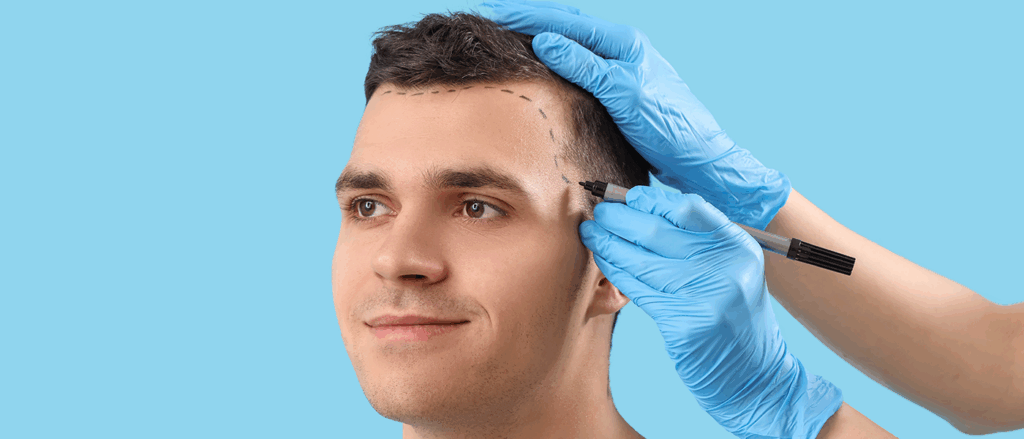
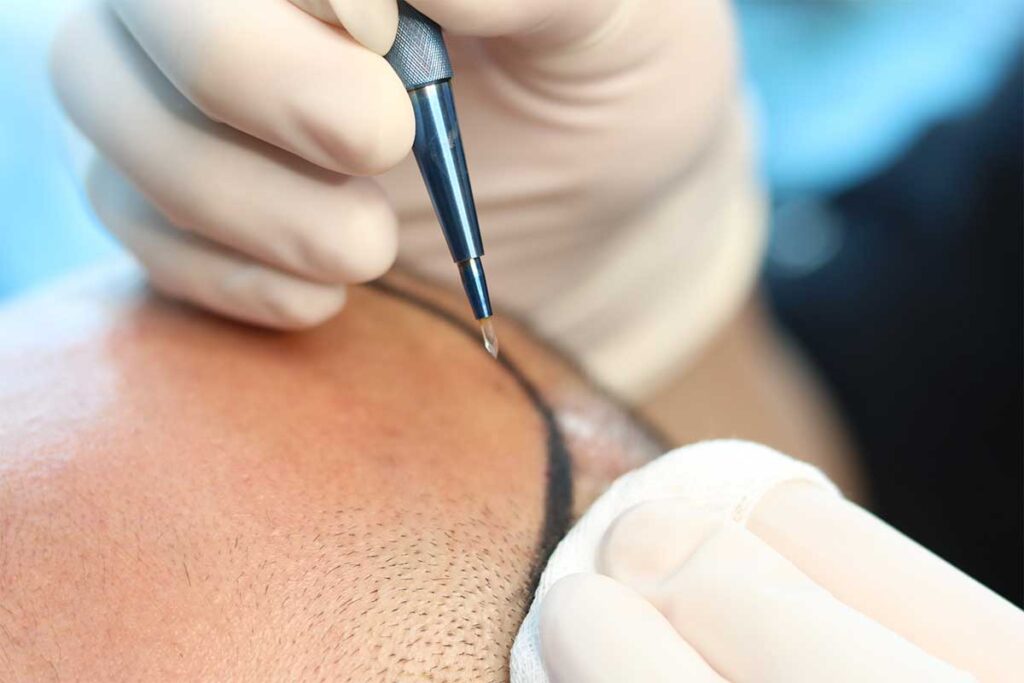
The image depicts a close-up, procedural view of a hair transplantation process, specifically Follicular Unit Extraction (FUE). Gloved hands are seen marking the scalp of a male patient with a surgical pen, indicating the precision and meticulous nature of the procedure. The scene is clinically sterile, emphasizing medical professionalism and attention to detail. --- **Camera and Optics:** The image appears to be captured using a macro lens, likely an 85mm or 100mm, to achieve a highly detailed and intimate close-up of the procedure. The image quality is hyperrealistic, suggesting a high-resolution capture, potentially in 8K, to ensure every minute detail, such as individual hair follicles and skin texture, is clearly visible. The shallow depth of field isolates the subject, drawing attention to the precise markings on the scalp. --- **Lighting Design:** The lighting in the image is characterized by a hard-light technique, creating distinct and sharp shadows. The light source seems to be positioned at a side angle, producing a dramatic effect that accentuates the contours of the scalp and the texture of the skin. This lighting approach enhances the three-dimensionality of the scene, emphasizing the meticulous nature of the medical procedure. --- **Anatomy and Identity:** The subject is male, as indicated by the facial features and hairline. The posture of the patient is passive and still, suggesting a clinical setting where precision is paramount. The focus is primarily on the upper anatomy of the head, particularly the scalp, which is the area of interest for the FUE procedure. The patient’s identity is not discernible, maintaining anonymity and professionalism. --- **Texture and Skin:** The skin on the scalp appears clean and prepared for the procedure, with a slight sheen that may indicate the application of an antiseptic solution. The image captures the fine details of the skin texture, including subtle lines and pores. The luminescence of the skin under the hard light highlights the natural oils and moisture, adding to the hyperrealistic quality of the image. --- **Clothing and Equipment:** The gloved hands of the medical professional are the primary focus in terms of equipment. The gloves appear to be made of latex or nitrile, standard materials for maintaining sterility in medical procedures. The surgical pen used for marking the scalp is also visible, indicating the preparatory stage of the FUE process. No other clothing or accessories are discernible in the image. --- **Composition and Background:** The composition of the image is tightly focused on the procedural area, with the scalp and the gloved hands serving as the central elements. The background is blurred, likely to maintain the viewer’s attention on the medical process and to create a sense of depth. The atmosphere of the image is clinical and sterile, reinforcing the professional and precise nature of the hair transplantation procedure. The overall mood is one of concentration and technical expertise, fitting for a medical context.

Why is Turkey So Popular for Hair Transplants? Here are 6 Facts

What makes Turkey so attractive for hair transplants? Why do people from all over the world come to Turkey for hair transplants? Turkey is undoubtedly one of the first countries that comes to mind when it comes to hair transplants worldwide. In recent years, the number of tourists coming to the country for hair transplants […]

Why is Turkey So Popular for Hair Transplants? Here are 6 Facts Read More »
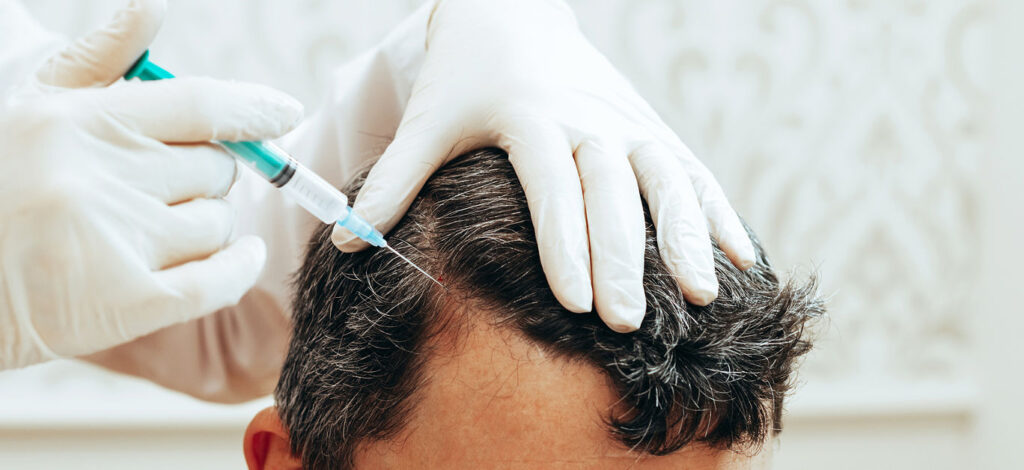
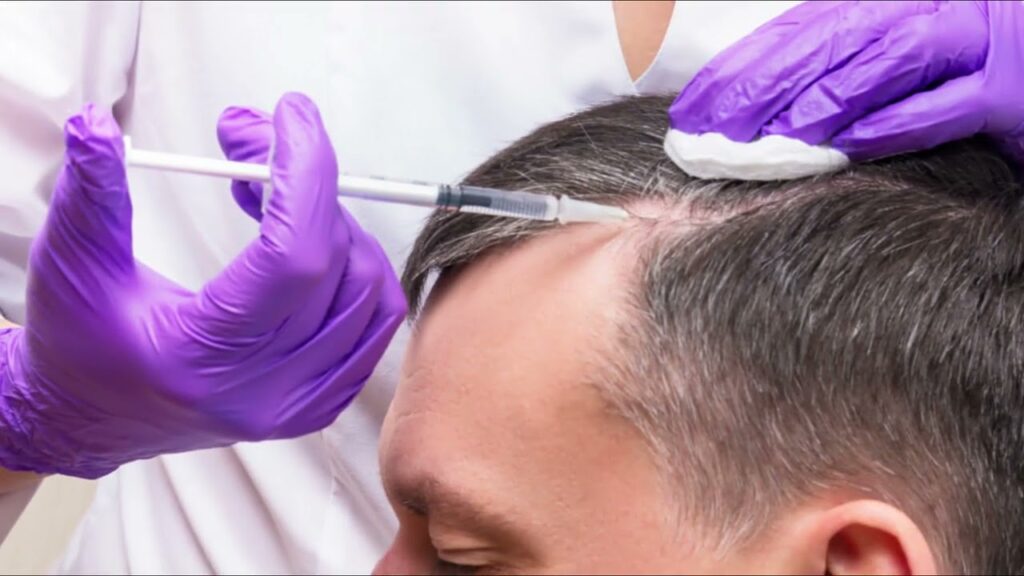
The image presents a hyperrealistic, clinically precise depiction of a medical procedure involving the scalp. A gloved hand, clad in sterile white latex, administers an injection using a syringe filled with a clear liquid. The needle is positioned at a slight angle, penetrating the scalp with precision. The scene is captured with meticulous attention to detail, emphasizing the procedural and sterile nature of the environment. **Camera and Optics:** The image appears to be captured using a high-resolution macro lens, likely an 85mm or 100mm, to achieve sharpness and depth. The hyperrealistic quality suggests a high-end camera capable of 8K resolution, ensuring every minute detail—from the texture of the gloves to the individual strands of hair—is rendered with clarity and precision. **Lighting Design:** The lighting is characterized by a hard-light technique, creating distinct and dramatic shadows. The light source seems to originate from a lateral angle, enhancing the three-dimensionality of the scene. This directional lighting accentuates the contours of the scalp, the texture of the hair, and the reflective surface of the syringe, adding a sense of depth and realism. **Anatomy and Identity:** The subject appears to be male, based on the visible features of the scalp and hairline. The posture is passive and relaxed, suggesting the subject is seated or lying down. The focus is primarily on the scalp, with no emphasis on body contours or muscular definition, aligning with the clinical nature of the scene. **Texture and Skin:** The scalp exhibits a natural sheen, possibly due to a thin layer of perspiration or a topical solution applied prior to the procedure. The skin texture is detailed, with individual hair follicles and subtle variations in skin tone visible. The light reflects off the scalp, creating a subtle luminescence that enhances the realism of the scene. **Clothing and Equipment:** The gloved hands are clad in standard medical-grade latex, which is smooth and reflective under the hard lighting. The syringe is a typical medical instrument, made of plastic and metal, with a clear barrel and a stainless steel needle. The gloves and syringe are the primary focus, with no additional clothing or accessories visible. **Composition and Background:** The composition is tightly framed, centering on the interaction between the gloved hand and the scalp. The background is blurred, likely to maintain focus on the procedure, and appears to be a clinical or sterile environment, possibly a medical office or treatment room. The atmosphere is professional and sterile, evoking a sense of precision, care, and medical expertise.

What Process Is Followed for a Successful Hair Transplant?

Thanks to advances in technology and medical methods, hair transplantation has become an effective procedure that offers natural and permanent solutions. The FUE technique stands out for its success rate in hair transplantation. The success rate of FUE hair transplantation is between 95-100%. Since the FUE technique transplants individual hair grafts (hair roots) instead of

What Process Is Followed for a Successful Hair Transplant? Read More »

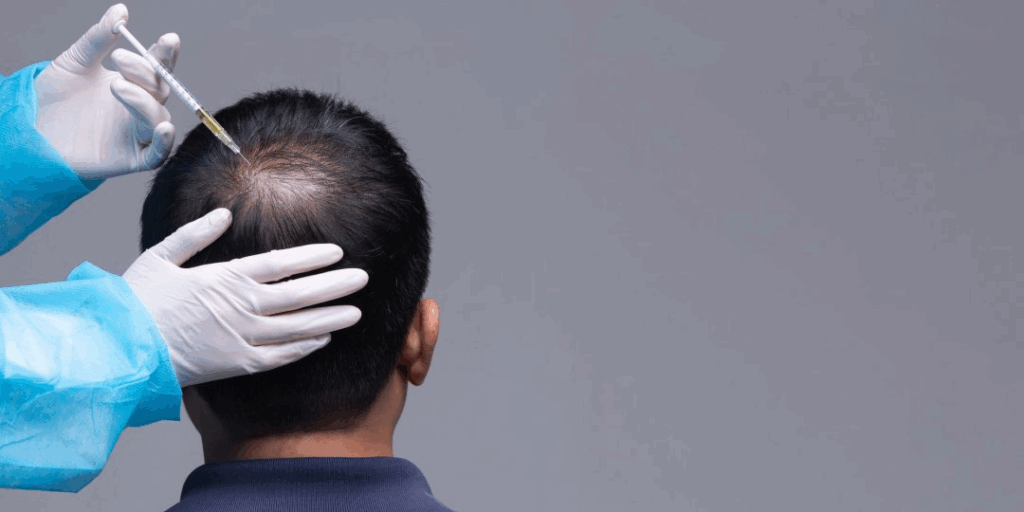
A meticulously crafted editorial description of the image depicting a medical procedure involving a scalp injection: The image showcases a close-up, hyperrealistic composition captured with a high-resolution lens, likely an 85mm macro lens, delivering an 8K-level clarity. The camera's proximity to the subject emphasizes fine details, creating an intimate and immersive visual experience. The lighting design employs a hard-light technique, entering from a side angle to produce dramatic shadows that accentuate the contours of the subject’s head and the medical professional’s hands. This directional lighting enhances the three-dimensionality of the scene, casting sharp shadows that define the anatomy and texture of the scalp and the gloved hands. The subject appears to be male, viewed from behind, with a slightly forward-leaning posture that suggests submission or readiness for the procedure. The anatomical focus is primarily on the scalp, which is exposed and central to the composition. The hands of the medical professional, clad in sterile latex gloves, are positioned with precision, one holding a syringe and the other stabilizing the patient’s head. The texture of the scalp is intricately detailed, with a slight sheen indicating moisture or a topical solution applied prior to the injection. The skin exhibits a subtle luminescence under the hard light, highlighting the natural oils and fine hair follicles. The medical professional is dressed in a disposable blue protective gown, likely made of a non-woven polypropylene material, designed for sterility and fluid resistance. The gown’s texture appears smooth yet functional, devoid of any metallic or decorative hardware, emphasizing its utilitarian purpose. The composition is tightly framed, with the subject’s head and the medical professional’s hands as the focal point. The background is a neutral, matte gray, providing a no-distraction backdrop that directs full attention to the procedure. The atmosphere evokes a clinical and sterile environment, underscored by the professionalism and precision of the medical setting. The overall mood is one of focus, care, and technical expertise, aligning with the seriousness of the medical procedure being performed.

What If Hair Transplantation Fails?

One of the most frequently asked questions at the beginning of the hair transplantation journey is undoubtedly, “What if hair transplantation fails?”. For most people, hair transplantation is an investment that renews self-confidence and offers long-term, permanent results, and it is generally known for its successful outcomes. However, as with any cosmetic procedure, the risk

What If Hair Transplantation Fails? Read More »

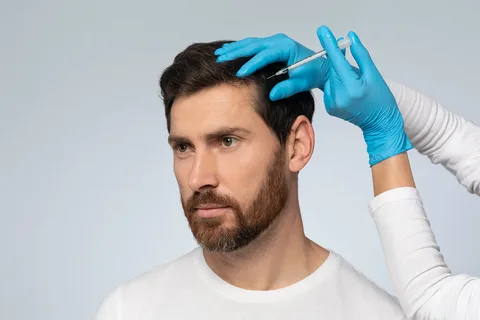
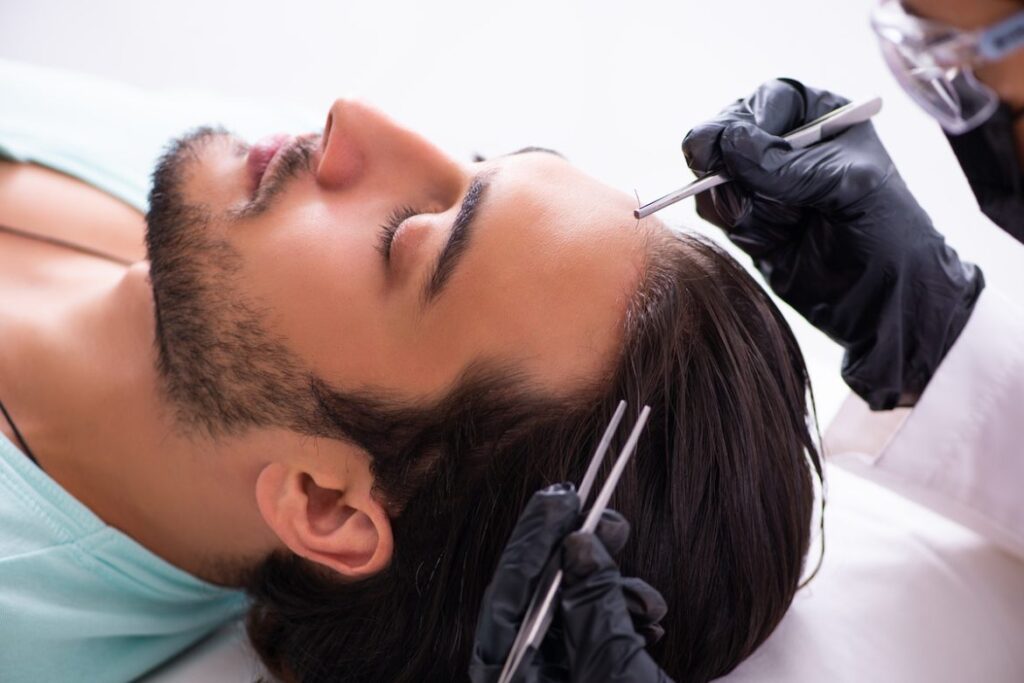
A detailed editorial description of the image featuring a medical procedure: A close-up shot of a male individual receiving an injection in the scalp area, administered by gloved hands. The scene is clinically precise, with a focus on hyperrealistic textures, controlled lighting, and a sterile atmosphere. Camera and optics emphasize sharpness and clarity, while the composition highlights the procedural nature of the setting, evoking themes of medical precision and cosmetic enhancement. --- **Camera and Optics:** The image appears to be captured using a high-resolution lens, likely an 85mm macro lens, which is ideal for close-up shots that require intricate detail and sharpness. The level of detail suggests a hyperrealistic quality, possibly shot in 8K resolution, ensuring that every texture, from the skin pores to the individual strands of hair, is rendered with exceptional clarity. The shallow depth of field isolates the subject, drawing attention to the precise area of the procedure while softly blurring the background. --- **Lighting Design:** The lighting in the image is meticulously controlled, employing a hard-light technique to create defined shadows and highlights. The light source seems to be positioned at a side angle, likely 45 degrees or lower, to sculpt the facial features and emphasize the contours of the scalp and face. This dramatic lighting setup enhances the three-dimensionality of the subject, casting subtle yet pronounced shadows that accentuate the bone structure and the texture of the skin. The interplay of light and shadow adds a sense of depth and realism to the scene. --- **Anatomy and Identity:** The subject is a male individual with a well-defined facial structure. His posture is neutral and relaxed, suggesting a calm demeanor despite the procedural context. The focus is primarily on the upper anatomy, particularly the scalp and forehead area, where the injection is being administered. His facial features, including a well-groomed beard, are prominently displayed, adding to the overall realism and relatability of the image. --- **Texture and Skin:** The skin texture is a focal point of the image, with a hyperrealistic portrayal of pores, fine lines, and subtle imperfections. There is a slight sheen on the skin, indicating controlled moisture or a light application of a topical solution, which reflects the light source subtly. The luminescence on the skin surface enhances the perception of cleanliness and sterility, which is critical in a medical or cosmetic context. The scalp area, where the injection is being administered, appears slightly taut, emphasizing the precision of the procedure. --- **Clothing and Equipment:** The individual administering the injection is wearing medical-grade blue nitrile gloves, which are snug and emphasize the clinical nature of the procedure. The gloves have a slight sheen, reflecting the controlled lighting in the room. The subject is dressed in a plain, light-colored shirt, likely made of a soft, breathable fabric such as cotton, which contrasts with the sterile gloves and reinforces the clinical atmosphere. --- **Composition and Background:** The composition of the image is tightly framed, focusing on the subject's upper body and the hands performing the procedure. The background is minimalistic and softly blurred, likely a neutral-colored wall or curtain, which ensures that the viewer's attention remains on the subject and the procedure. The atmosphere is clinical and sterile, evoking a sense of professionalism and precision. The overall mood is one of modern medical practice, with an emphasis on hygiene, accuracy, and advanced cosmetic procedures.

Which Hair Transplant Technique Will Stand Out in 2026? Take a Look at The 2nd One

Are you considering a hair transplant in the new year? Why will FUE be the best option? Will the combination of DHI and FUE yield effective results? Hair transplant technologies have been developing faster than ever in recent years. What was once a discussion limited to FUE and FUT techniques has now expanded to encompass

Which Hair Transplant Technique Will Stand Out in 2026? Take a Look at The 2nd One Read More »

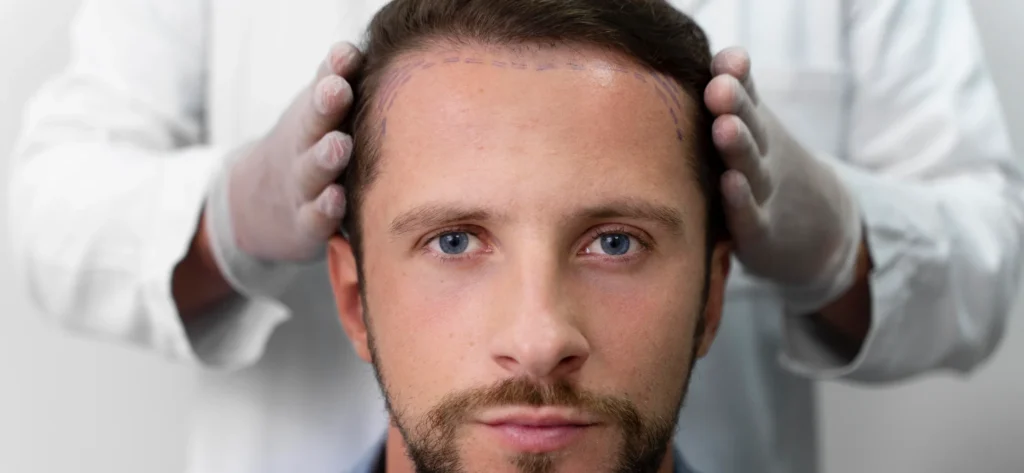
A meticulously composed editorial image featuring a male individual undergoing a hair transplant procedure. The image is captured with a hyperrealistic 8K resolution, emphasizing intricate details in texture, lighting, and anatomy. **Camera and Optics:** The photograph appears to be taken with a high-end macro lens, likely an 85mm prime lens, known for its ability to capture fine details and produce a shallow depth of field. The image scale is close-up, focusing on the subject’s forehead and upper facial region, ensuring every minute detail is visible in hyperrealistic clarity. **Lighting Design:** The lighting is characterized by a hard-light technique, creating sharp contrasts and dramatic shadows. The light source seems to be positioned at a side angle, accentuating the contours of the face and adding depth to the subject’s features. This lighting approach enhances the three-dimensionality of the facial structure, particularly highlighting the forehead and hairline. **Anatomy and Identity:** The subject is male, with a neutral and composed expression. His posture is upright and relaxed, suggesting a clinical or procedural setting. The facial features are prominently defined, with a focus on the forehead and hairline, which are marked with surgical pen lines indicating the areas for the hair transplant. **Texture and Skin:** The skin texture is captured with remarkable detail, showcasing a natural sheen and subtle moisture, possibly from antiseptic solutions used in the procedure. The hyperrealistic quality of the image reveals fine pores, minor imperfections, and the slight luminescence of the skin under the hard-light conditions. The pen markings on the forehead stand out clearly, indicating precision in the medical procedure. **Attire and Equipment:** The individual is not wearing any distinctive clothing in the frame, but the hands visible belong to a medical professional wearing sterile latex gloves, indicating a clinical environment. The gloves are snug and highlight the professional and hygienic nature of the procedure. **Composition and Background:** The composition focuses sharply on the subject’s face, particularly the forehead and hairline, making it the central point of interest. The background is blurred, drawing attention to the subject and creating a sense of depth. The atmosphere is clinical and sterile, emphasizing the procedural nature of the setting. The overall mood is professional and precise, aligning with the medical context of the image.

Is There a Solution for Those with a Weak Donor Area? Detailed Guide

Do you think your donor area is insufficient for hair transplantation? So what is the solution in cases of insufficiency? How does it affect the results? The most critical stage of hair transplantation is the graft collection stage. Just like excessive collection, insufficient collection also negatively affects the results of the transplantation process. The decisive

Is There a Solution for Those with a Weak Donor Area? Detailed Guide Read More »

A highly detailed and hyperrealistic close-up image capturing a precise dermatological or cosmetic procedure. The scene is composed with meticulous attention to technical and aesthetic elements. **Camera and Optics:** The image appears to be captured using a macro lens, likely an 85mm or 100mm, to achieve an intricate level of detail. The resolution suggests a high-quality output, potentially in 8K, emphasizing hyperrealistic textures and clarity. The shallow depth of field isolates the subject, creating a sharp focus on the procedure area while softly blurring the periphery. **Lighting Design:** The lighting setup employs a hard-light technique, casting distinct and dramatic shadows that accentuate the contours of the skin. The light source seems to originate from a side angle, enhancing the three-dimensionality of the subject’s anatomy and creating a sculptural effect on the skin’s surface. This approach highlights the texture and subtle imperfections, contributing to a sense of realism and intensity. **Anatomy and Identity:** The subject appears to be male, based on the visible anatomical features such as the shoulder and neck structure. The posture is relaxed yet controlled, with the skin taut to facilitate the procedure. The focus on the upper shoulder and neck area suggests a careful consideration of body lines and muscle definition, though the image does not emphasize a 'snatched' waist or voluminous curves. **Texture and Skin:** The skin texture is captured in minute detail, showcasing natural moisture and a slight sheen, possibly from a thin layer of sweat or a topical solution applied for the procedure. The luminescence on the skin, created by the hard-light source, accentuates the micro-textures, including fine hairs and pores, adding to the hyperrealistic quality of the image. **Attire and Equipment:** The subject is partially draped, likely with a medical cloth or gown, made of a lightweight, sterile material such as non-woven fabric or cotton. The practitioner’s hands are gloved, indicating a sterile environment. The primary equipment in focus is a precision tool, possibly a needle or micro-blade, held steadily to perform the procedure. **Composition and Background:** The composition centers on the procedure area, making it the undeniable focal point of the image. The background is intentionally blurred, creating a neutral and unobtrusive backdrop that ensures the viewer’s attention remains on the intricate details of the procedure. The atmosphere leans towards a clinical and professional setting, devoid of any luxurious or industrial elements, emphasizing the technical precision and sterility of the environment.

9 Steps to Understanding FUE: Why Is It the Best?

Is FUE really the best hair transplant technique? What does this technique offer patients experiencing hair loss? What sets it apart from others? FUE hair transplantation stands out among hair transplant techniques as a modern surgical method that offers effective and long-term results for solving hair loss problems. Follicular Unit Extraction (FUE) is based on

9 Steps to Understanding FUE: Why Is It the Best? Read More »

en_USEnglish
Scroll to Top