
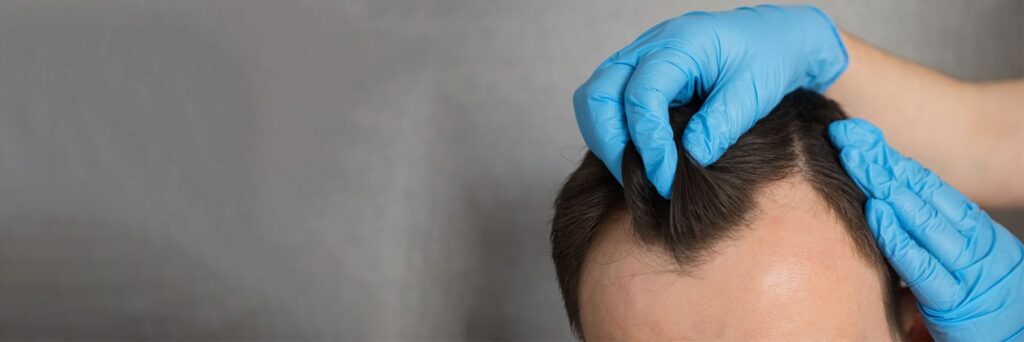

You’ve decided to undergo FUE. So what can you expect during the first 3 months after the procedure? What should you know about the transplanted hair, and what should you pay attention to?
For many people who decide to have a hair transplant, the most intriguing part of the process is the post-operative period. The first 3 months after FUE hair transplantation, in particular, are a critical period in terms of health, as it is a time of both physical healing and psychological adaptation, and the results are not yet clear. In this article, we take a step-by-step look at what to expect in the first three months after FUE, what changes are normal, and what you need to pay attention to.
İçindekiler
Why is the Post-FUE Process Important?
FUE hair transplantation is one of the first methods that comes to mind. Although this method is a minimally invasive technique, there is a specific recovery schedule because the hair follicles are implanted using microsurgery. The first 3 months:
- The roots adapt to their new locations,
- The skin structure renews itself,
- Temporary shedding occurs,
- It is a transition period that requires patience but progresses healthily.
When this process is managed correctly, the quality of the final results has been observed to increase significantly. Following the hair transplant specialist’s recommendations during this process is vital for the transplanted hair.
First 7–10 Days: Healing and Scabbing Period
In the days following the operation, the following may occur in the transplanted area:
- Slight redness
- Spot scabbing
- Swelling and sensitivity
These effects are completely normal and indicate that you are on the right track. The scabs that appear after the transplant usually fall off on their own within 7 to 10 days with the recommended washing routine. Paying attention to the following factors during this period will positively affect the healing process:
- Avoid scratching the transplanted area
- Avoid rough contact
- Use the lotion and shampoo prescribed by your doctor regularly
- Pay attention to your sleeping position
The appearance may not be aesthetically pleasing in the first few days, but this is temporary.
Weeks 2–4: Shock Loss Begins
The shock loss phase is the stage that many people worry about after FUE surgery. Approximately 2–4 weeks after the transplant, a large portion of the transplanted hair falls out. This situation:
- Does not mean the FUE was unsuccessful.
- It does not mean that the roots have died.
- It is the most natural part of the process.
In fact, it is the hair shaft that falls out; the roots continue to live under the skin and prepare for new hair production. During this period, your hair may appear sparser than before the transplant. This can be psychologically challenging but is temporary.
End of Month 1: Stagnation in Appearance
At the end of the first month, most people feel that “nothing is happening.” This is quite common because:
- The roots are in the resting (telogen) phase.
- Visible growth has not yet begun.
- The biological process under the skin continues.
At this stage, it is best to be patient and not interfere with the process too much. This period is also when the scalp returns to normal.
Month 2: Silent Preparation Period
Although the second month may still appear unchanged from the outside, the hair roots are actively preparing for new hair production. During this period:
- Mild acne-like formations may be visible (which may be a sign of new hair growth)
- The scalp completely loses its previous sensitivity
- The donor area largely recovers
It is important not to neglect your care routine during this period, especially in terms of nutrition and general health. Furthermore, following these recommendations positively impacts the results of FUE.
Month 3: First New Hair Begins to Appear
With the third month after FUE, the first tangible developments in the process begin. In the transplanted area:
- Thin, weak but new hair strands begin to emerge.
- Hair may grow at irregular and different rates.
- The appearance is not yet fully full.
These new hairs may be soft and colorless at first. Over time, they thicken, gain pigment, and take on a natural hair form. This stage is the most important milestone indicating that the process is progressing correctly.
Things to Avoid in the First 3 Months
For a successful outcome, it is also necessary to mention some habits that should be avoided during this period. It is particularly important to take a short break from the following habits during this period:
- Vigorous massaging of the hair transplant area,
- Excessively hot showers,
- Tanning beds and intense sun exposure,
- Strenuous exercise and sweating (especially during the first month),
- Cosmetic products without doctor approval.
It is important to follow these rules so as not to make it difficult for the roots to take hold.
Psychological Process: Patience Is the Key
The first 3 months after FUE are the most challenging in terms of impatience. Looking in the mirror and not seeing any change can be disappointing. However, it is important to remember that hair transplantation is like a marathon, not a sprint. Real and satisfying results usually:
- become apparent after 3 months
- mature between 9–12 months
The first 3 months, however, are the silent yet most crucial foundation of this journey.
Conclusion: Invisible Effort, Powerful Results
The first 3 months after the FUE procedure are a critical period when the results are not yet fully apparent, but the foundations for success are laid. Getting through this period with the right information, patience, and following recommendations directly determines the hair density and naturalness you will achieve in the coming months.
Behavior and lifestyle during this period are crucial for achieving satisfying results and a natural appearance in the mirror. The sensitivity individuals show towards their own hair is as important as the hair transplant specialist, clinic, and technique in terms of results. If you manage the process consciously, the change you see in the mirror will be reflected not only in your hair but also in your self-confidence.
Hairtrans.com was founded by world-famous plastic surgeon Dr. MFO, who is an expert in facial feminization or facial masculinization surgeries, and is managed under his leadership. Would you like to have a hair transplant under the coordination of a plastic surgeon with many years of experience?
 English
  German
  Arabic
  Spanish
  French
  Dutch
Dutch  Italian
  Russian