
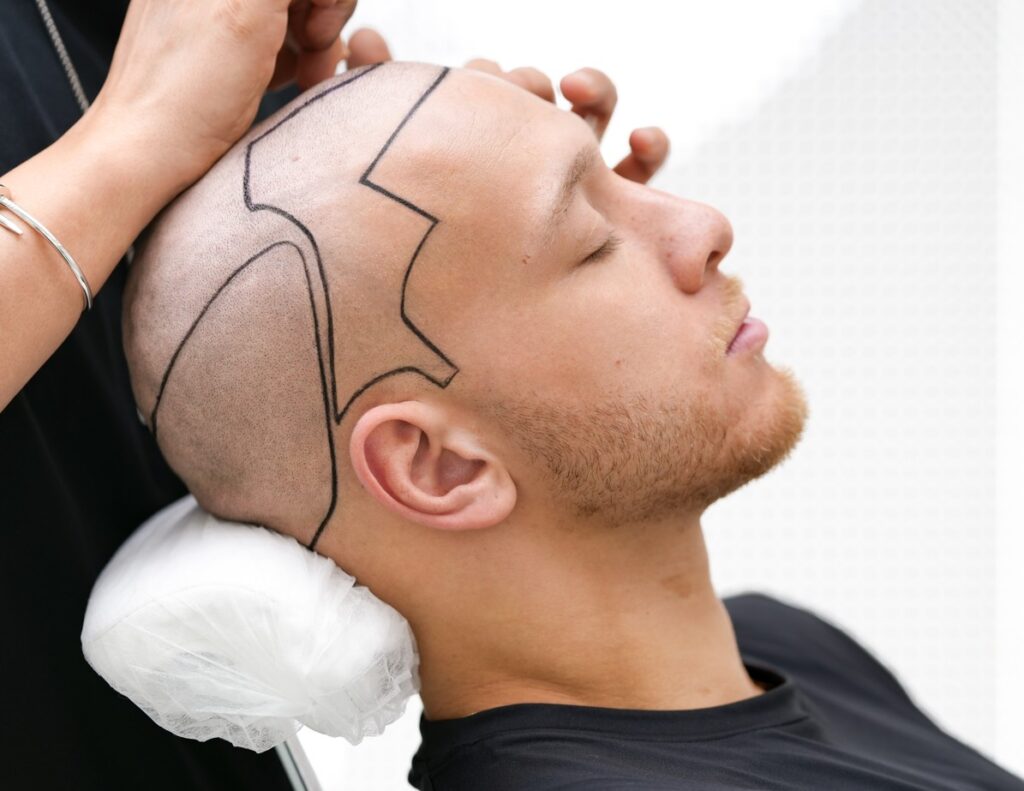
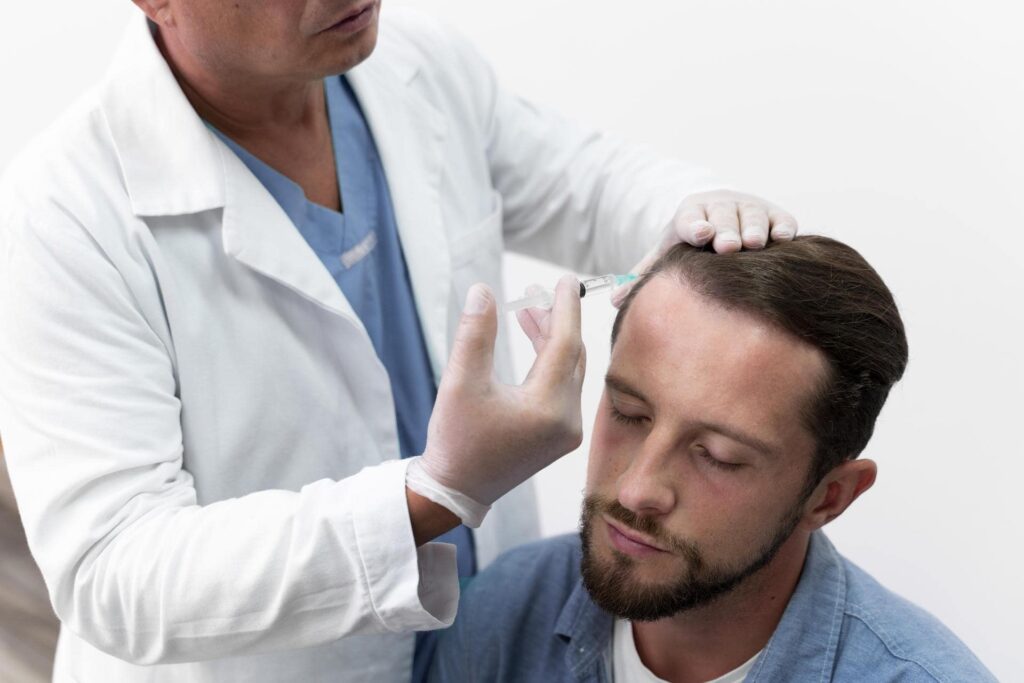
Hair transplantation has evolved beyond being merely an aesthetic choice in recent years; it has become a health practice directly related to self-confidence, psychology, and social life. The results are quite successful. However, as its popularity increases, misinformation spreading by word of mouth confuses many people considering transplantation. Many people experience anxiety about trust before embarking on this journey.
Questions such as “Is hair transplantation risky?”, “Does it harm the brain?”, and “Does it work for everyone?” become even more complicated, especially due to exaggerated comments circulating on the internet. In this article, we clearly answer those question and explain the three fundamental truths behind the most common myths.
İçindekiler
Myth 1: “Hair Transplantation Damages the Brain”
Fact: Hair transplantation is not anatomically connected to the brain.
This is the most common and frightening myth about hair transplantation. However, from a medical point of view, hair transplantation is a procedure performed on the uppermost layers of the skin.
- Hair follicles are located approximately 4–5 mm below the skin.
- Bone tissue separates the brain tissue from the hair follicles.
- The micro-surgical instruments used operate well above these layers.
Therefore, under proper conditions, it is impossible for a transplant to come into contact with the brain or cause brain damage. Such claims are not scientific; they are purely urban legends.
Myth 2: “Hair Transplantation Is Very Dangerous and Carries Serious Risks”
Fact: When performed under appropriate conditions, it is a low-risk procedure
Like any medical procedure, hair transplantation carries certain risks; however, these are controllable and temporary. With modern transplantation techniques:
- Local anesthesia is used (no general anesthesia)
- The patient is awake throughout the procedure
- The risk to life is negligible
Possible side effects are generally limited to:
- Mild swelling
- Temporary redness
- Scabbing
- Sensitivity during the first few weeks
All of these disappear completely within a short time with proper care and expert follow-up.
Myth 3: “Hair Transplant Results Depend on Luck”
Fact: Results depend on planning, technique, and patient compliance.
The success of transplantation is based on scientific and technical factors, not luck. Three key elements determine a successful hair transplant:
- Donor Area Quality
The area where hair follicles are harvested must be healthy and have sufficient density.
- Correct Technique Selection
Techniques such as FUE and DHI should be planned according to the patient’s hair structure. Not every method is suitable for everyone.
- Post-operative Care
The first 3 months;
• Smoking
• Alcohol
• Irregular diet
• Stress factors directly affect the retention rate of transplanted hair. Therefore, the “it will work if it works” approach is completely wrong. With proper planning, the success rate can exceed 90%.
Who is Hair Transplantation Safer For?
Hair transplantation is considered safe and suitable especially for the following individuals:
- Those in good general health
- Those whose hair loss has stabilized
- Those with sufficient donor area
- Those with realistic expectations
However, the procedure may be postponed in cases of certain hormonal issues, uncontrolled chronic diseases, or active hair loss periods. This underscores the importance of performing transplantation “not recklessly, but consciously.”
The Most Important Factor Determining Safety: Choosing the Right Center
The answer to the question “Is hair transplantation safe?” often depends on where and by whom it is performed.
- Sterile operating room conditions
- Experienced team
- Personalized planning
- Accessible post-procedure support
Risks increase at centers lacking these features. Choosing based on low prices can lead to difficult-to-reverse outcomes.
Psychological Safety is Just as Important as Physical Safety
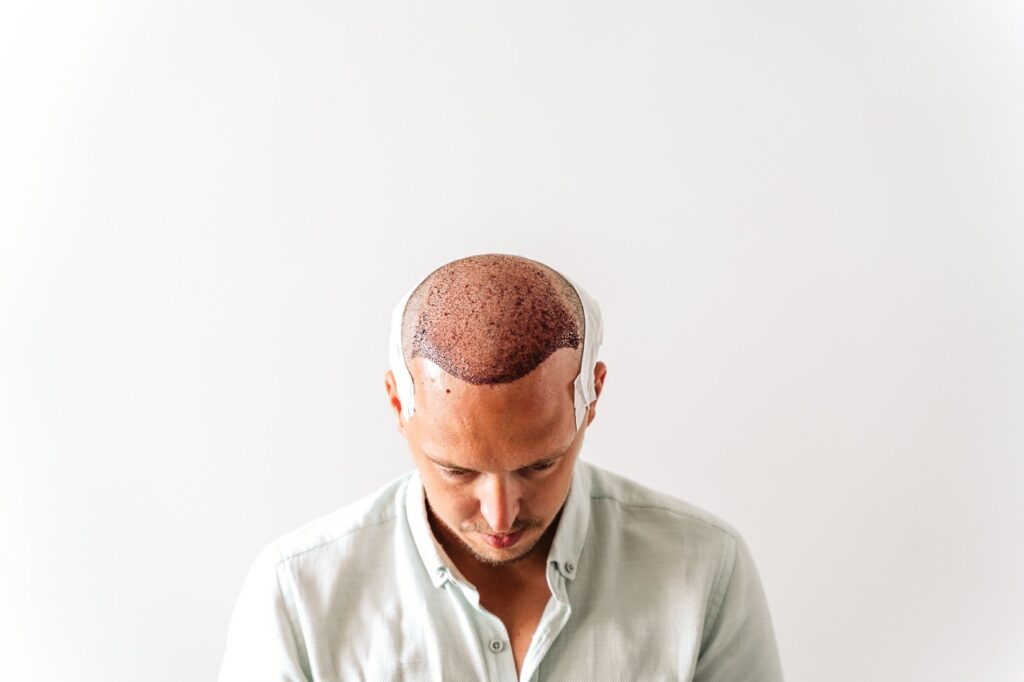
Hair transplantation is not only a physical but also a psychological process. Procedures performed with realistic expectations:
- Boost self-confidence
- Reduce social anxiety
- Strengthen the individual’s self-image
However, transplants performed with the expectation of an “overnight miracle” can lead to disappointment. Therefore, proper information is an important part of safety.
The answer to this question is very clear
Yes, hair transplantation is safe. However, this is only true when the right technique is applied by the right surgeon to the right case. Everyone experiences transplantation process differently. At this point, hearsay can often be misleading and discouraging.
Therefore, for those who base their decisions on scientific facts rather than myths, hair transplantation is not risky, but rather a controlled and successful aesthetic procedure.
Hairtrans.com was founded by world-famous plastic surgeon Dr. MFO, who is an expert in facial feminization or facial masculinization surgeries, and is managed under his leadership. Would you like to have a hair transplant under the coordination of a plastic surgeon with many years of experience?
 English
  German
  Arabic
  Spanish
  French
  Dutch
Dutch  Italian
  Russian