
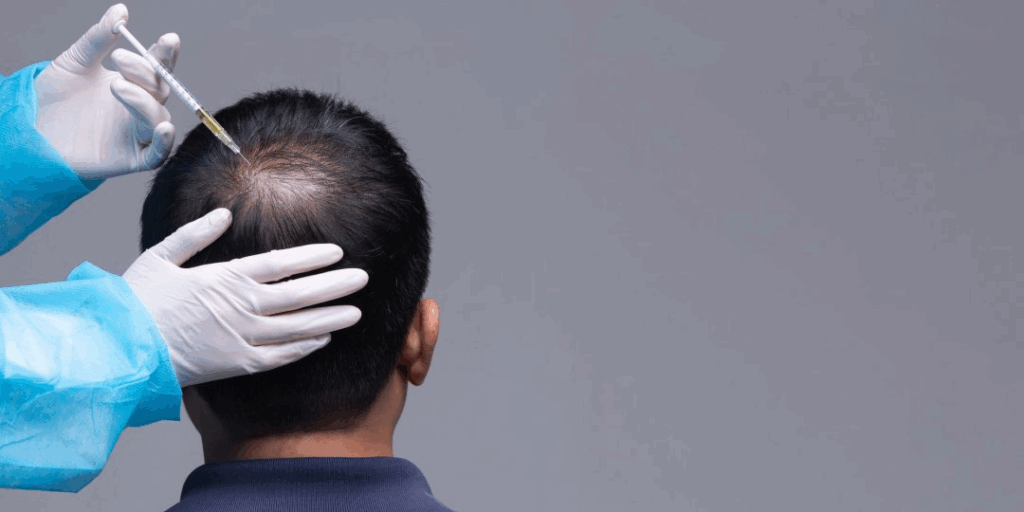
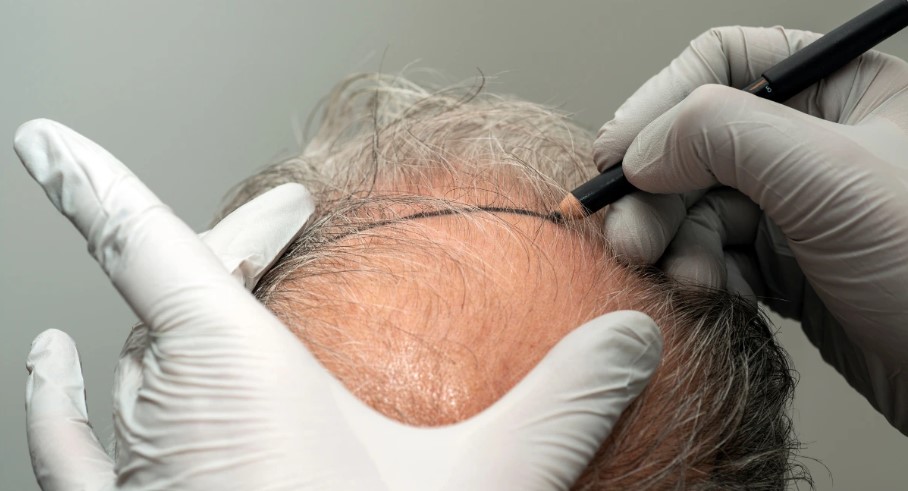
One of the most frequently asked questions at the beginning of the hair transplantation journey is undoubtedly, “What if hair transplantation fails?”.
For most people, hair transplantation is an investment that renews self-confidence and offers long-term, permanent results, and it is generally known for its successful outcomes. However, as with any cosmetic procedure, the risk is not entirely zero. The expected density may not be achieved, some of the transplanted follicles may not take, or the hairline may not look as natural as desired. However, such situations are rare.
In this article, we will discuss whether a second hair transplant is possible in these rare cases.
İçindekiler
How to Recognize a Failed Hair Transplantation?
First and foremost, for a hair transplantation to be considered unsuccessful, all positive and negative results of the procedure must be apparent. For this, it is necessary to wait 9–12 months. This is because the hair growth cycle is a long process, and the sparse appearance seen in the early stages is often completely normal. Patients who are unaware of this may panic, thinking that the hair transplant has failed.
However, the following situations may indicate failure:
- Most of the transplanted grafts did not take.
- The hairline appears artificial, uneven, or too far back.
- The expected density did not develop.
- Excessive thinning or a patchy appearance in the donor area.
- The angle and direction of the transplanted hair do not match the natural hair.
- These signs usually indicate that the initial operation needs to be reevaluated.
When Can a Second Hair Transplantation Be Performed?
It is not advisable to perform another transplant immediately after unsuccessful results. First, the area must heal, and the body needs time to recover.
In general, a second hair transplant can be performed under the following conditions:
- If Sufficient Time Has Passed Since the First Operation
Experts recommend waiting an average of 12 months for a second operation. This period allows both the final appearance of the transplanted hair to become clear and the donor area to fully recover. The goal is to increase the success rate of the second hair transplant. - If There Are Enough Grafts in the Donor Area
The most critical point for a second transplant is the capacity of the donor area at the back. If too many grafts were taken during the first operation, there may not be enough source material for a second transplant. Therefore, the correct grafting is the most important stage of the process.
However, when grafts are carefully collected, the donor area usually allows for a second procedure. This is because it is possible to collect and transplant a sufficient number of grafts. - If the Failure is Due to Regional Density Deficiency
In some cases, after hair transplantation, thinning occurs in certain areas rather than the entire region. In such cases, a second operation may be necessary for local reinforcement. - If Revision of the Hairline is Necessary
Sometimes, the desired results for the hairline may not be achieved in the first transplant. If the hairline appears too harsh, too high, or unnatural, a second operation can reshape the line. When performed by experienced surgeons, this procedure yields a natural appearance. - If the Angle or Direction of the Transplanted Hair is Not Appropriate
In some procedures, grafts are implanted at the wrong angle, causing the hair to grow upward, straight, or scattered. This situation requires a technical revision, and a second transplant often provides a successful correction.
Second Hair Transplantation Pre-Assessment
Deciding to start the process again after an unsuccessful hair transplant is not easy for any patient. However, if the conditions mentioned above are met, the success rate of a second hair transplant is extremely satisfactory. This revision, as we might call it, requires a much more detailed analysis. The surgeon usually examines the following points:
- Density and strength of the donor area,
- Technique used in the first operation,
- Percentage of grafts that did not take,
- Whether hair loss is active,
- Hair shaft thickness and growth direction,
- The person’s age, health, and hormonal status.
This evaluation ensures that the second operation is planned realistically. This is because the goal is not only to cover the bald areas but also to achieve a natural and sustainable result.
Is the Second Hair Transplant Guaranteed to Be Successful?
Although the second transplant is quite effective in correcting the mistakes of the first operation, it is important to remember that there are still factors that increase the likelihood of success.
The surgeon’s expertise, the condition of the donor area, the quality of the grafts, and the individual’s compliance with the healing process are crucial at this point and directly affect the outcome.
But here’s the thing: Many people who had an unsuccessful first hair transplantation get really satisfying results from the second one.
That’s because the second procedure is more controlled and targeted. Analyses done to figure out why the first transplant failed help make a really accurate plan. It shows which areas are weak and sets the roadmap for the second transplant.
Who Should Not Consider a Second Hair Transplantation?
In some cases, a second operation may unfortunately not be the right option. For example:
- If the donor area is excessively thin,
- If hormonal hair loss is progressing very rapidly,
- If the person’s chronic illnesses make recovery difficult,
- If the reason for the roots not taking hold is a systemic problem.
In such cases, alternative solutions such as PRP, hair mesotherapy, or hair prosthetics can be considered instead of surgery.
Conclusion
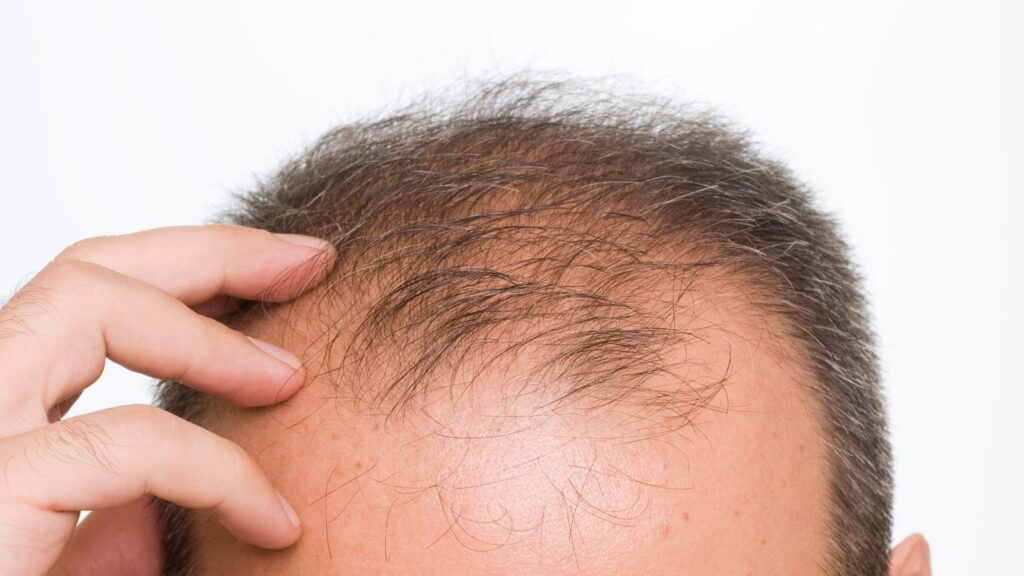
If hair transplantation does not yield the expected results, it can be discouraging, but this often means that a second hair transplant can be performed with much more effective results.
When performed at the right time, with proper planning, and by an expert team, a second hair transplant is a highly effective method for restoring lost density. The key is to accurately analyze the cause of the problem and avoid making hasty decisions. With realistic expectations, a second hair transplant can provide a much more successful and natural-looking result than the first.
Hairtrans.com was founded by world-famous plastic surgeon Dr. MFO, who is an expert in facial feminization or facial masculinization surgeries, and is managed under his leadership. Would you like to have a hair transplant under the coordination of a plastic surgeon with many years of experience?
Whether you are a trans woman or a natural born male or female, if you are looking for the best hair transplant, contact us now.
 English
  German
  Arabic
  Spanish
  French
  Dutch
Dutch  Italian
  Russian