
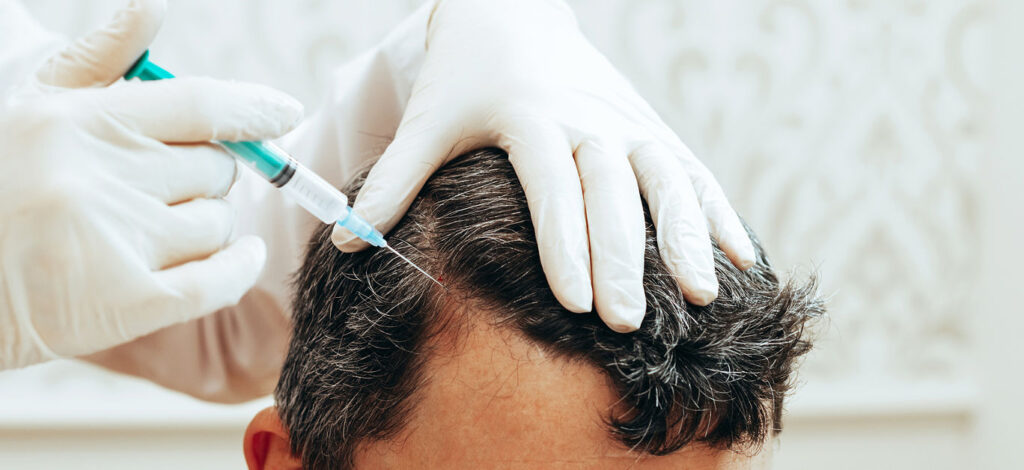

Thanks to advances in technology and medical methods, hair transplantation has become an effective procedure that offers natural and permanent solutions.
The FUE technique stands out for its success rate in hair transplantation. The success rate of FUE hair transplantation is between 95-100%. Since the FUE technique transplants individual hair grafts (hair roots) instead of cutting a strip from the scalp and transplanting it to the sparse area, the survival rate of the transplanted hair roots is 90-95%. With this technique, new hair follicles can take root, grow, and produce strong, permanent hair. This ensures that FUE hair transplantation has a high and satisfactory success rate.
To achieve a successful result, it is necessary to properly manage the entire process, including not only the day of the operation but also the pre- and post-operative periods. So, what steps should be followed for a successful hair transplant?
İçindekiler
1. Choosing the Right Clinic and Specialist
The first and most important step to success in hair transplantation is choosing an experienced team and a reliable clinic. When choosing a clinic, it is essential to evaluate not only the price but also the specialist doctor’s experience, the techniques used, hygiene conditions, and previous patient results. It is also crucial that the clinic provides personalized planning and explains the process transparently.
2. Detailed Analysis Process Before Hair Transplantation
Each individual’s hair structure, type of hair loss, and donor area capacity are different. Therefore, a successful transplant must begin with a personalized analysis. At this stage:
- The type of hair loss is determined.
- The density of the donor area (usually the back of the head) is evaluated.
- The number of grafts to be transplanted is planned.
- A natural hairline suitable for the facial features is designed.
This analysis directly affects the naturalness of the appearance achieved after the transplant.
3. Determining the Right Hair Transplant Technique
FUE is currently the most preferred method. However, DHI and Sapphire FUE techniques also produce effective results. Each technique does not produce the same results for everyone. At this point, which method to apply should be determined according to the person’s hair structure, expectations, and donor area condition.
- The FUE method allows grafts to be taken and implanted one by one.
- The DHI method allows hair follicles to be implanted with special pens.
- Sapphire FUE offers a denser and more natural implantation.
Choosing the right technique plays a critical role in terms of hair growth direction, density, and naturalness.
4. How is the Hair Transplant Procedure Performed?
The hair transplant procedure is usually performed under local anesthesia and takes an average of 6-8 hours. During the operation:
- Hair follicles are carefully collected from the donor area.
- The collected grafts are preserved in special solutions.
- The grafts are placed in the opened channels in accordance with the natural growth angle.
Since even millimeter-level errors at this stage can affect the results, it is extremely important that the procedure is performed by an experienced team. Also, while the general scope of the procedure progresses this way, there may be some variations depending on the technique.
5. The Recovery Process After Hair Transplantation
A successful hair transplant is not limited to the operation itself. The post-operative care process determines the quality of the result to be achieved. Scaling and slight redness may be observed for the first few days, which is completely normal. The following should be considered after hair transplantation:
- The first wash should be performed at the time specified by the clinic.
- The scalp should be protected from impact.
- Medications and care products prescribed by the doctor should be used regularly.
- Strenuous exercise and sun exposure should be avoided for the first month.
- For the first few days after hair transplantation, it is generally recommended to sleep with your head elevated.
Following these rules ensures that the hair follicles take root healthily.
6. Patience and Realistic Expectations
Hair transplantation results are not immediate. The transplanted hair may fall out in the first few weeks; this is called “shock loss” and is completely normal. The actual permanent hair usually begins to grow 3-4 months later, and the final appearance is achieved within 8-12 months. Being patient during this process and following the doctor’s instructions are essential for successful results.
7. Long-Term Care for Successful Results
You can usually return to your normal daily activities a few days after hair transplantation. During this period, caution is advised, but the full recovery process may take several weeks. Hair transplanted after the procedure is permanent, but maintaining healthy lifestyle habits is important for preserving existing hair. A balanced diet, stress management, and the use of products that support hair health support the long-term success of the transplant.
Conclusion
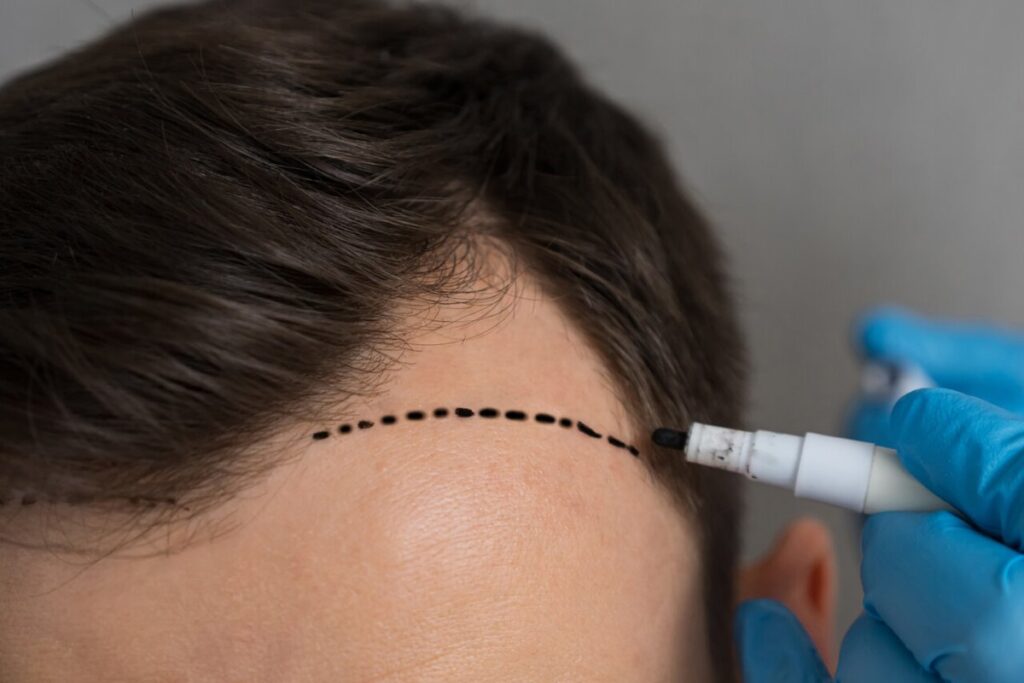
A successful hair transplant is the combination of choosing the right clinic, personalized planning, appropriate technique, professional application, and a disciplined care process. When all these steps are managed consciously, hair transplantation offers natural, aesthetic, and long-lasting results.
It should be remembered that hair transplantation is not a one-day procedure, but a process that requires time and care. At the end of this process, which requires special effort at every stage, achieving beautiful hair brings the greatest happiness. A successful hair transplant means individuals who are confident and at peace with themselves.
Hairtrans.com was founded by world-famous plastic surgeon Dr. MFO, who is an expert in facial feminization or facial masculinization surgeries, and is managed under his leadership. Would you like to have a hair transplant under the coordination of a plastic surgeon with many years of experience?
Whether you are a trans woman or a natural born male or female, if you are looking for the best hair transplant, contact us now.
 English
  German
  Arabic
  Spanish
  French
  Dutch
Dutch  Italian
  Russian