

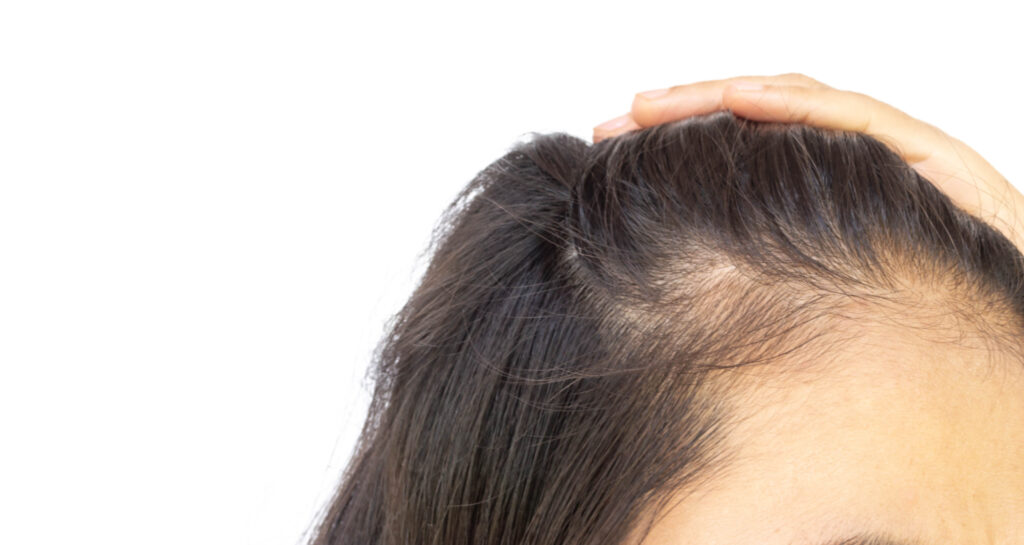
Hair transplant is an art, but did you know that this art has reached a whole new level with aesthetic surgery? The aesthetic and gender perception of the face is not determined solely by the eyebrows or lips. Even if we are not always aware of it, when we look at a face, the first thing that catches our attention is the frame of the face: the hairline and temples. For trans women considering hair transplantation, proper planning of these areas is the key to achieving a feminine and soft appearance.
Why is the hairline so important? Why is the temple area often neglected? How can hair transplantation transform these areas? Let’s explore this different aspect of hair transplantation in this article.
İçindekiler
What Exactly Does a Feminine Hairline Signify?
A feminine hairline means more than you might think for trans women. Sometimes it’s a gender expression, sometimes a feminine presence, and sometimes a symbol of self-confidence… That’s why a feminine hairline naturally makes the face look softer, more elegant, and more proportionate.
So how do we understand gender-based differences?
We can define a male-type hairline as follows:
- It starts from a higher point,
- It has an indented shape resembling the letter M,
- The temple area is more open.
In women, the hairline can be defined as follows:
- It is positioned lower,
- It has an oval or round shape,
- The temples are fuller, and the facial frame is clearly defined.
These differences demonstrate that the face plays a very strong role not only in terms of aesthetics but also in terms of gender perception. Additionally, these differences play a critical role in planning hair transplantation for the hairline.
Is It Possible to Create a Feminine Hairline with Hair Transplant?
Hair transplantation has gone beyond being just a solution for baldness and now also meets aesthetic needs. Moreover, this method brings trans women one step closer to gender transition. When done correctly, hair transplantation not only restores lost hair but also redefines the expression of the face. Hair transplantation for transgender women is usually planned as follows:
- A Softer and Curved Forehead Line Should Be Planned
The hairline typical of women usually curves slightly in the middle. The goal is to achieve a more natural half-moon or oval shape rather than an M-shaped appearance. - Accurate Symmetry and Proportion Calculations Are Important
A feminine hairline should be determined in proportion to the eyebrows, nose, and chin. If this balance is disrupted, the forehead may appear too wide or the top of the head may look unbalanced. - Proper Use of Grafts in the Front Line
Hair on the forehead is naturally finer and more scattered. If thick grafts are added to this area, the result may appear masculine. Therefore, working with single, fine grafts in the front line makes a big difference.
The Temple Area: An Often Overlooked but Critical Area in Hair Transplant
In most hair transplantation plans, the temples are generally overlooked. However, the temples have a significant impact on facial expression, especially in trans women. If a hair transplantation plan is being made for trans women, this area must also be taken into account.
Why is it so important?
- Perception of Gender: Temple baldness makes the face appear more “masculine.”
- Importance of the Facial Frame: No matter how beautifully shaped the forehead is, if the side frame is missing, the feminine effect is weakened.
- Effect on Face Shape: Hair transplantation in the temples gives the face an oval shape and makes the area under the eyebrows look more elegant.
- The hairline is not just one area. Therefore, this area must be approached as a whole. Otherwise, an “unfinished” appearance may result.
Can FFS and Hair Transplantation Be Planned Together?
Absolutely yes. Moreover, such planning enhances both the effect of FFS and the effect of hair transplantation. Especially if procedures such as forehead feminization or brow bone shaving are to be performed within the scope of FFS, the hairline and temple structure should be considered holistically with these operations.
Because sometimes the hairline is lifted upward through surgical procedures, and hair transplantation fills in this new line. This balance is crucial for making the face appear more natural and feminine. In short, this approach will improve the results.
Conclusion
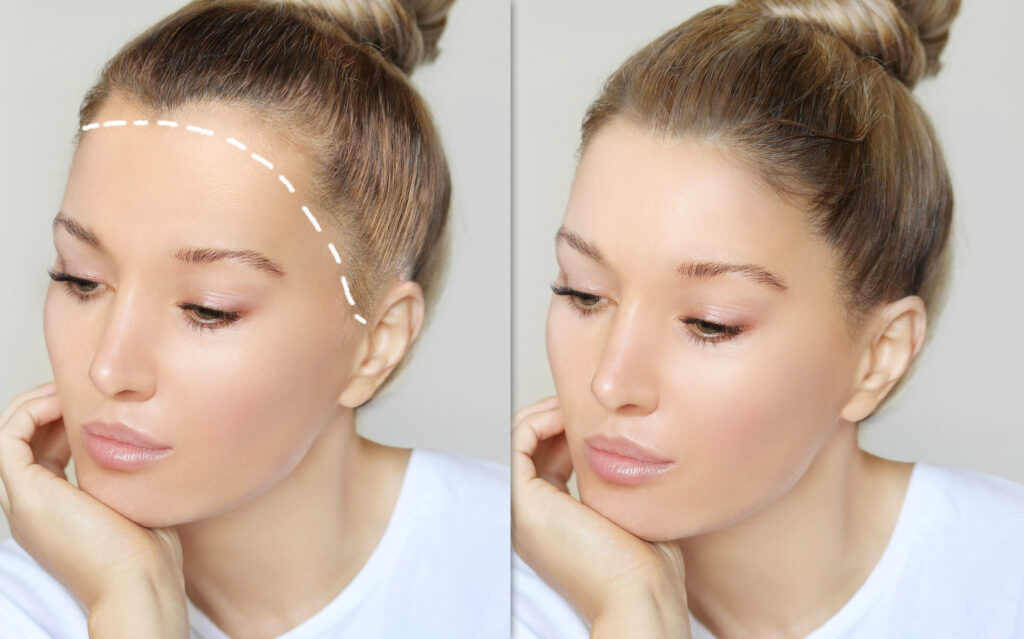
Hair transplantation does not merely provide a solution for hair loss; when done correctly, it transforms the way one sees and feels about themselves, especially for transgender women. A feminine hairline and full temples reveal the true you when you look in the mirror.
Remember, beauty is not just about outward appearance; it deepens with the meaning it carries. And rebuilding that meaning sometimes starts with a few thousand grafts. Perhaps the most important thing you need is a well-planned hair transplant.
Hairtrans.com was founded by world-famous plastic surgeon Dr. MFO, who is an expert in facial feminization or facial masculinization surgeries, and is managed under his leadership. Would you like to have a hair transplant under the coordination of a plastic surgeon with many years of experience?
Whether you are a trans woman or a natural born male or female, if you are looking for the best hair transplant, contact us now.


 English
  German
  Arabic
  Spanish
  French
  Dutch
Dutch  Italian
  Russian