
You’ve probably come across a lot of content about how successful hair transplantation results are. But are there situations where this effective method fails?
Hair transplantation is a procedure that gives permanent and natural results when planned correctly. In other words, achieving successful results is quite common with this method. However, as with any cosmetic procedure, the desired results may not be achieved in some cases. An unsuccessful hair transplant can have a negative impact not only on appearance but also on a person’s self-confidence. Therefore, knowing when hair transplantation can fail allows for a more informed approach to the process and makes the decision-making stage easier. Here are the situations in which hair transplantation fails in 7 steps!
İçindekiler
1. Incorrect Planning and Hairline Design
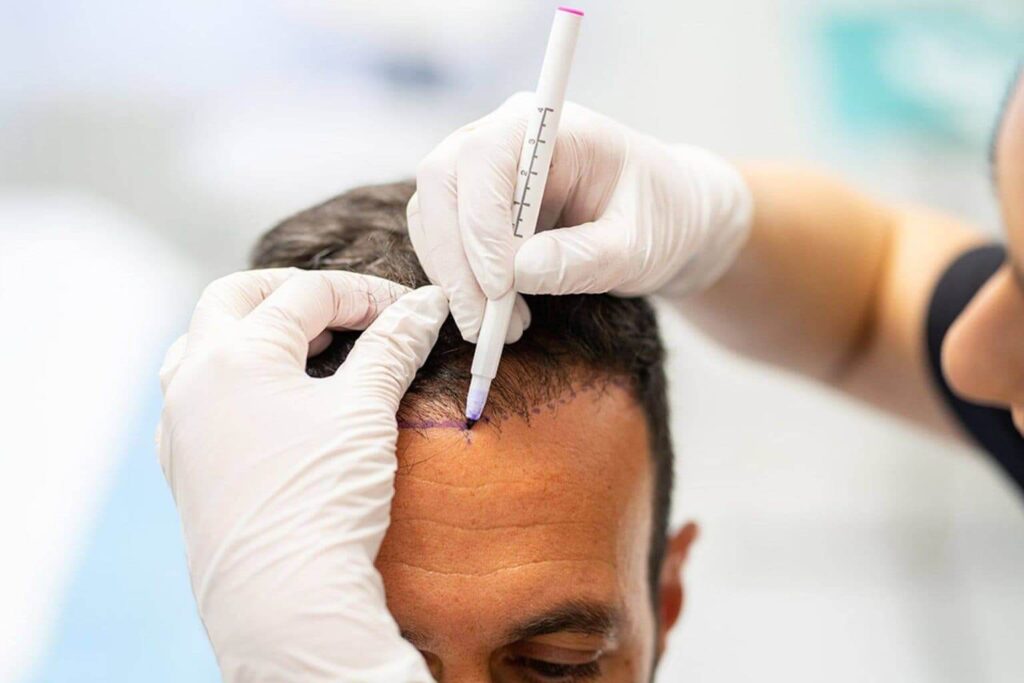
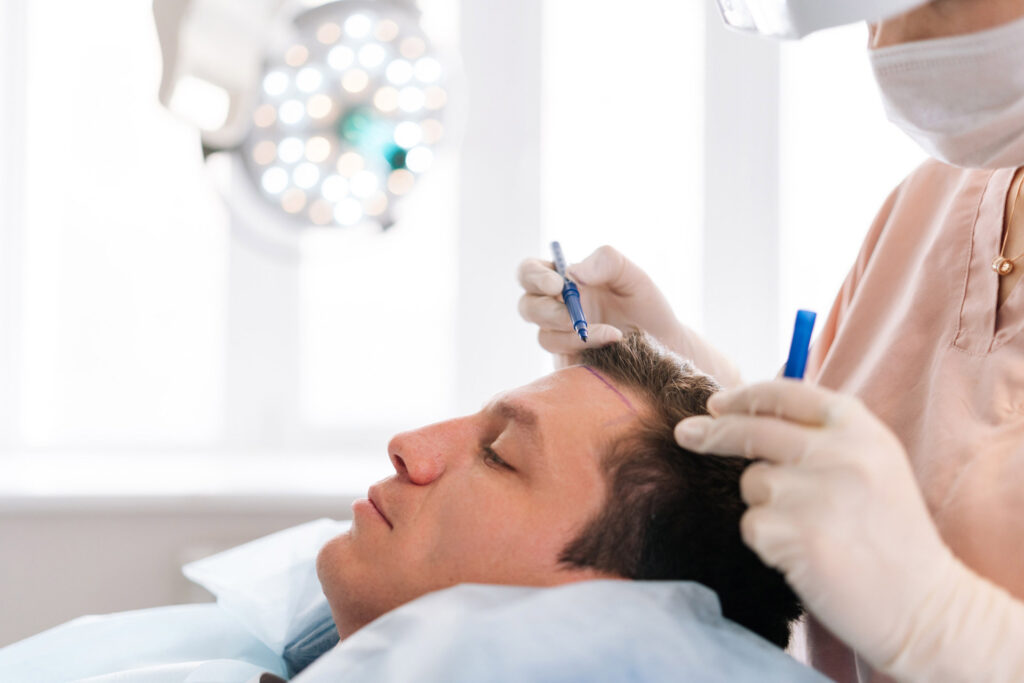
One reason for unsuccessful results is hairline planning that is not suitable for the face shape. Designing the hairline too far forward or asymmetrically can compromise the naturalness of the results. This situation is more common in people with prominent foreheads. However, a hairline designed to complement the face supports both aesthetic and natural appearance and is beneficial in achieving successful results. For an aesthetically successful result, the doctor must carefully analyze facial proportions during the planning stage.
2. Insufficient Hair Quality in the Donor Area
When it comes to results, one of the most decisive stages of the hair transplant process is the donor area. This is because the donor area provides clues about the future of the transplanted hair. When the hair in the donor area is sparse, fine, or has weak roots, the engraftment rate of the transplanted grafts may decrease. This ultimately means less density and an aesthetically unsatisfactory appearance. In some cases, a second session is attempted to remedy this deficiency.
3. Inappropriate Transplantation Technique
Each method, especially FUE and DHI, offers different advantages. However, deciding which technique is suitable for whom is determined by the doctor’s assessment. At this stage, choosing the wrong technique can cause the roots not to take hold, grow in random directions, or result in an unnatural hair direction. This negatively affects the overall result.
4. Neglecting Post-Transplant Care
For hair transplant results to be optimal, the patient’s dedication is as important as the doctor’s experience. The post-transplant process is as important as the operation itself. Following the doctor’s instructions and patients treating the transplanted areas with care is vital for the health of the transplanted hair.
Incorrect washing, premature removal of scabs, or strenuous physical activity within the first 10 days can damage the grafts. Failure to use the care products recommended by the doctor also delays healing. Successful results depend on a meticulous care process.
5. Smoking, Alcohol, and Poor Nutrition
Smoking and alcohol consumption after transplantation negatively affect blood circulation. The vessels that feed the grafts cannot get enough oxygen, and root loss may occur. Similarly, vitamin and mineral deficiencies also slow down hair growth. All these conditions negatively affect the engraftment process of transplanted hair. A healthy diet after hair transplantation is an invisible but crucial supporter of the hair transplantation process.
6. Infection and Skin Problems
Procedures performed in centers that do not provide sterile conditions increase the risk of infection. Infection can result in both pain and root loss. Furthermore, hair transplants performed without controlling skin disorders such as eczema and seborrheic dermatitis may also be unsuccessful. Therefore, a detailed skin analysis is essential before the procedure.
7. Lack of Experience and Specialist Support
Hair transplantation is not only a technical procedure but also an aesthetic art. Transplants performed by inexperienced hands can lead to unnatural and asymmetrical results. Therefore, the procedure should be planned and performed by a physician who is an expert in the field. For a successful hair transplant experience, you can contact our clinic. Dr. MFO and his team of experts will plan the most suitable hair design and method for you.
Conclusion
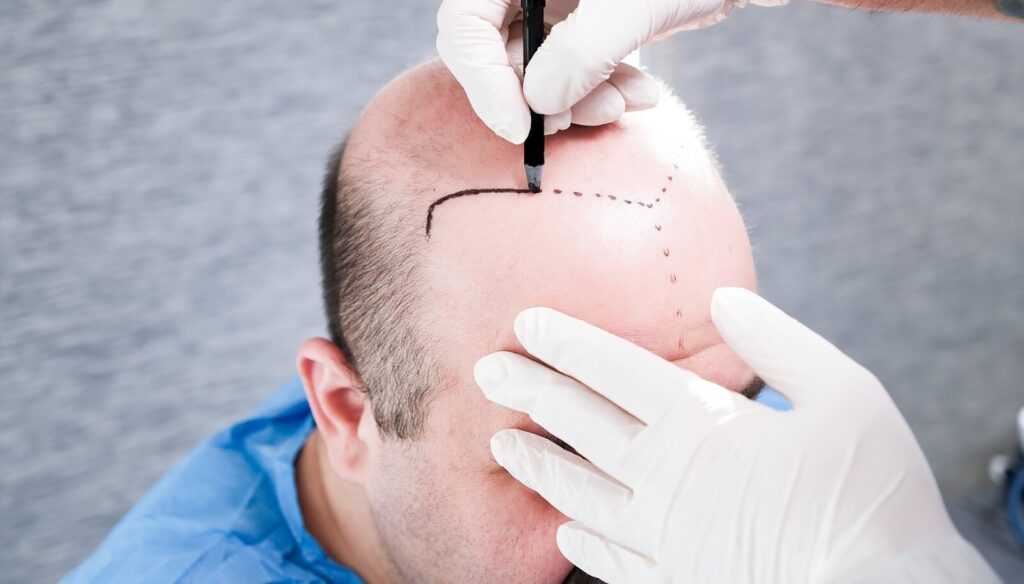
The vast majority of hair transplant failures can be prevented with proper planning and choosing the right specialist. When all these factors are addressed, hair transplantation will give you the best results. This process is a journey towards visual confidence and requires precision at every stage.
The appropriate technique, a personalized design, and a patient recovery process are the easiest way to achieve permanent and natural-looking hair. It should not be forgotten that hair transplantation is a “rebirth” process, and rushing this process often has a negative impact on the outcome.
Hairtrans.com was founded by world-famous plastic surgeon Dr. MFO, who is an expert in facial feminization or facial masculinization surgeries, and is managed under his leadership. Would you like to have a hair transplant under the coordination of a plastic surgeon with many years of experience?
Whether you are a trans woman or a natural born male or female, if you are looking for the best hair transplant, contact us now.
 English
  German
  Arabic
  Spanish
  French
  Dutch
Dutch  Italian
  Russian