
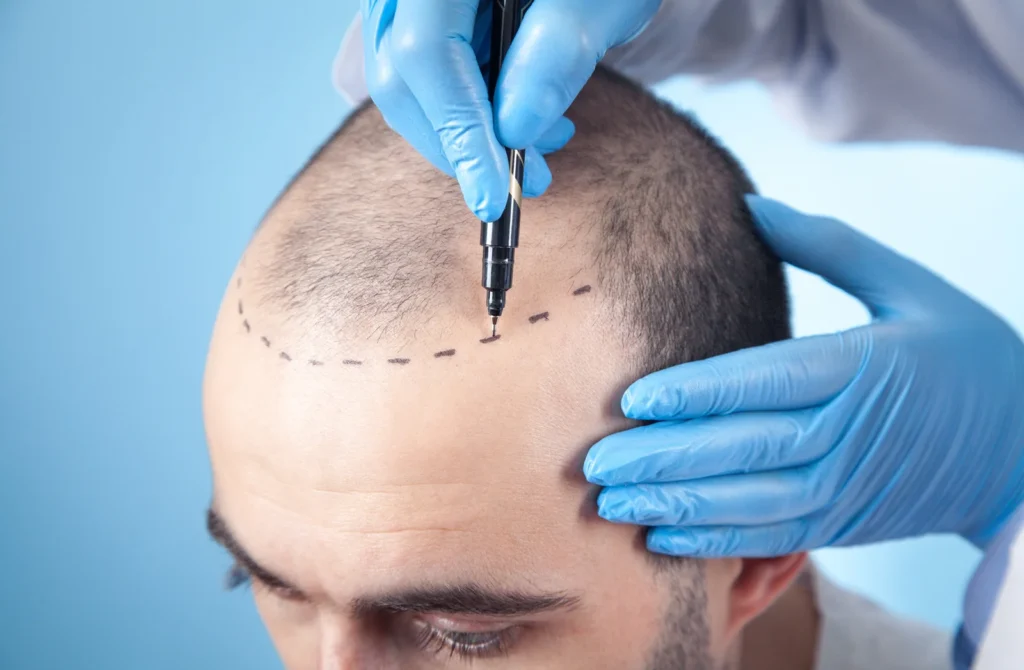
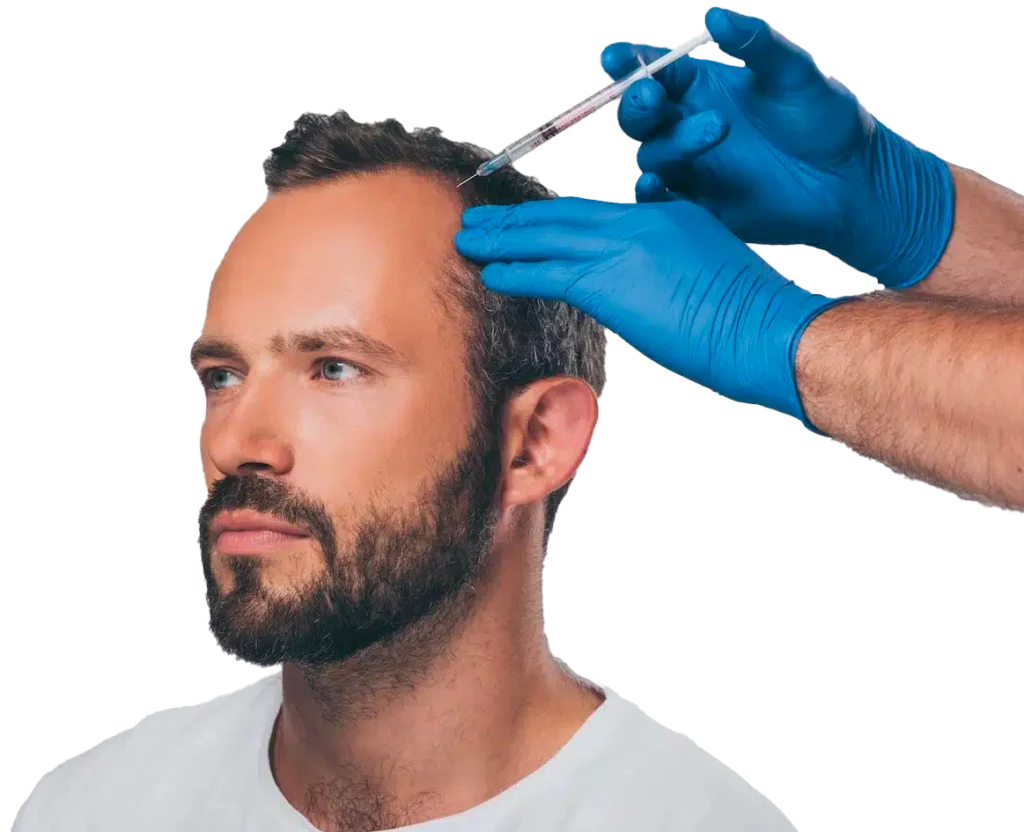
Is swelling and edema after hair transplantation normal? Are you worried that the swelling is more than it should be?
Hair transplantation has become a very comfortable process, especially when performed with modern techniques such as FUE and DHI. However, as with any surgical procedure, the body’s natural healing mechanism kicks in after hair transplantation. One of the most common symptoms of this process is swelling and edema.
İçindekiler
Swelling is a Natural Part of the Healing Process
Swelling that can occur after hair transplantation, especially on the forehead, around the eyes, and on the upper part of the face, can be worrying for many people. However, the formation of edema after hair transplantation is a natural sign that the operation was successful and that the body has entered the healing process.
This situation after hair transplantation is important in terms of both aesthetic concerns and the process of returning to social life, so it must be managed correctly. At this point, the skills and recommendations of the hair transplant specialist are of vital importance.
Why Does Swelling Occur After Hair Transplantation?
During hair transplantation, micro-channels are created in the area where the hair follicles are placed. The minimal trauma to the tissue during this procedure can cause fluid accumulation in the area. Swelling, especially around the forehead and eyes, may occur as a result of the local anesthetic solutions used during the operation moving downward due to gravity.
This swelling, which usually begins on the 2nd or 3rd day after the operation, subsides and disappears on its own within 4 to 7 days. However, it is possible to take certain measures to make this process more comfortable.
5 Ways to Reduce Swelling and Edema After Hair Transplantation
- Sleep with Your Head Elevated
Keeping your head above heart level for the first few days after hair transplantation is very important. This position prevents fluid accumulation from moving towards the face. Using a travel pillow, in particular, helps keep your head stable throughout the night. - Apply Cold Compresses
Applying cold compresses to the forehead and temple areas, without touching the transplanted area, can help reduce swelling by constricting blood vessels. Several 10-15 minute applications per day will suffice. - Drink Plenty of Water
Maintaining the body’s fluid balance speeds up the healing process. Increasing daily water consumption can help eliminate excess fluid accumulated in the tissues more quickly. - Limit Salt Intake
Salt can cause water retention in the body. Therefore, foods low in sodium should be preferred for the first few days after hair transplantation. - Take Your Doctor’s Prescribed Medications Regularly
Anti-inflammatory or edema-reducing medications prescribed after the operation are given to support the healing process. Regular use of these medications can help reduce swelling more quickly.
When Should You Be Concerned?

Swelling (edema), one of the most common temporary conditions after hair transplantation, is actually a natural part of the healing process, even though it causes concern in many patients. Mild swelling extending down toward the forehead and around the eyes may be observed, especially after hair transplantation procedures performed using the FUE technique. This condition is caused by the gravitational effect of the fluids applied during the operation moving downward.
Although swelling is a natural process after hair transplantation, you should consult a specialist if you experience excessive pain, redness, fever, or swelling that lasts longer than 7 days.
Swelling and inflammation after hair transplantation are temporary conditions and can be controlled quickly with proper care. Taking small precautions, especially during the first week, both speeds up the healing process and facilitates a return to social life.
Hairtrans.com was founded by world-famous plastic surgeon Dr. MFO, who is an expert in facial feminization or facial masculinization surgeries, and is managed under his leadership. Would you like to have a hair transplant under the coordination of a plastic surgeon with many years of experience?
 English
  German
  Arabic
  Spanish
  French
  Dutch
Dutch  Italian
  Russian