
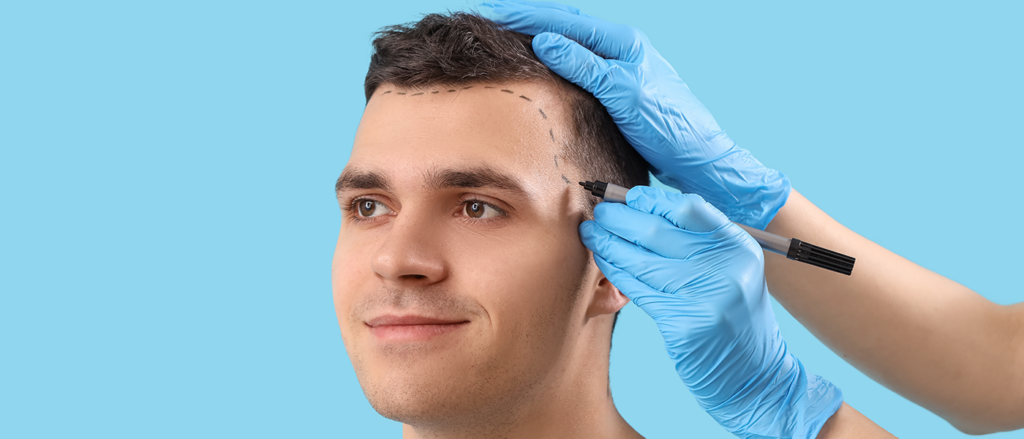

For many people considering hair transplantation, the most critical question is: “Which hair transplant technique is more successful?”
Although hair transplant technologies have advanced significantly today, the technique used directly affects the natural appearance and permanence of the result. It is important to know and choose the right techniques before embarking on hair transplantation. Because every right step taken directly affects the success rate. Starting from this point, in this article, we will discuss in detail the most commonly used hair transplantation techniques, their advantages, disadvantages, and realistic success rates.
İçindekiler
Key Factors Determining Hair Transplant Success
Before comparing techniques, it is important to know the main factors that affect success:
- The quality of the donor area (back of the head)
- Healthy harvesting of grafts
- Choosing the right technique
- The experience of the surgeon and team
- The post-operative care process
However, the hair transplant technique used is central to all these factors. Here, the surgeon determines the content of these factors by choosing the hair transplant process that is suitable for the individual.
FUE Hair Transplantation (Follicular Unit Extraction)
The FUE technique is one of the most commonly used hair transplantation methods today. Hair follicles (grafts) are individually extracted from the back of the head using micro motors and transplanted into the bald area by creating channels. The advantages of this technique can be briefly summarized as follows:
- No stitches or scars
- Short recovery time
- Can be applied to large areas
It is important to be aware of the disadvantages of this technique as well as its advantages:
- The channel creation and implantation stages require experience
- Implantation at the wrong angle can ruin the natural appearance
When performed at the right center by an experienced team, FUE has a success rate of around 90%-95%.
DHI Hair Transplantation (Direct Hair Implantation)
The DHI technique is preferred especially for those who want a natural hairline. Grafts are implanted directly without opening channels using a special pen. DHI hair transplantation offers the following advantages for those considering it:
- Grafts wait less time in the external environment
- The direction of hair growth is much more controlled
- Existing hair is not damaged
The disadvantages can be listed as follows:
- It is a lengthy procedure
- It is not preferred for large bald spots
- It is costly
When performed at the right center by an experienced team, DHI has a success rate of 95%–98%.
FUT (Strip) Hair Transplantation – Why Is It No Longer Preferred?
The once-common FUT method involves removing a strip of skin from the back of the head. FUT remains a slightly more traditional approach compared to the other techniques mentioned above. However, it can yield much more effective results for some individuals. Whether FUT is used or not is determined based on the surgeon’s detailed analysis. Here are the disadvantages of this technique:
- It leaves a permanent scar.
- The recovery period is long.
- The naturalness is low.
The success rate of FUT varies between 80% and 85%. For this reason, it is only used in a limited number of centers today.
Is Technique More Important, or the Doctor?
One of the most common mistakes is focusing solely on technique. In reality, even the best technique will fail in the wrong hands. An average technique can yield excellent results with the right specialist.
Therefore, success in hair transplantation is shaped by the triangle of technique + surgeon experience + personalized planning. Furthermore, the success rate varies from person to person. So why do success rates vary from person to person? Here are the reasons:
- Genetic makeup
- Type of hair loss
- Donor area density
- Smoking
- Post-operative care
These factors directly affect the outcome, even when the best technique is used.
Conclusion
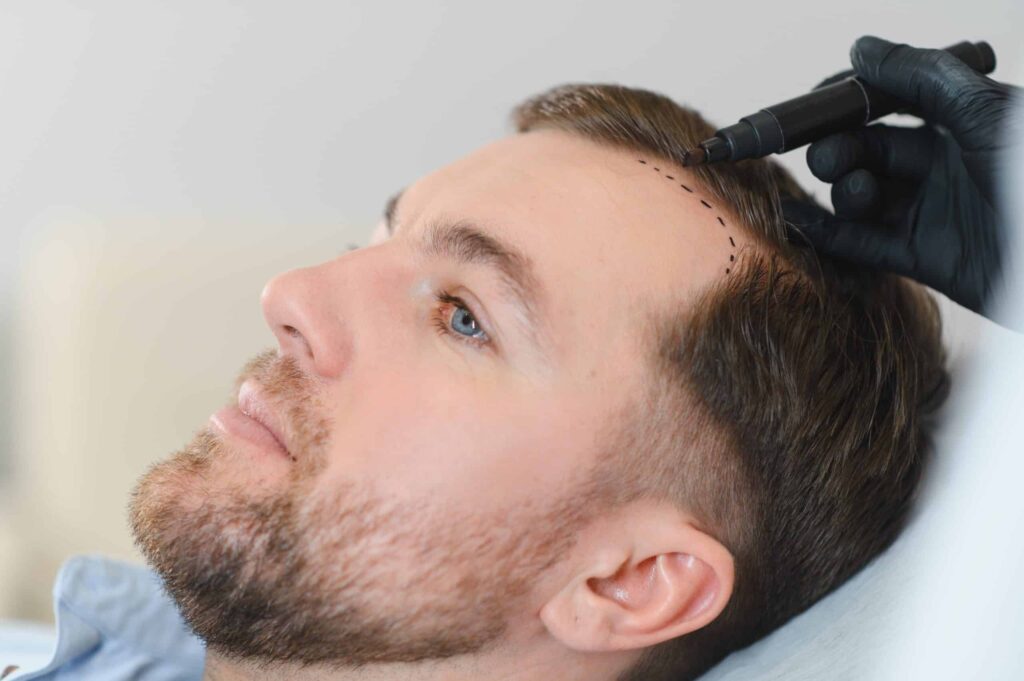
It is now clear that the success achieved in the hair transplant process does not depend solely on the technique used. Each of the modern methods, such as FUE, Sapphire FUE, or DHI, can achieve extremely high success rates with the right patient selection and proper planning. However, the technique alone cannot work miracles. The quality of the donor area, the correct collection and implantation of grafts, the determination of hair growth directions in accordance with the natural anatomical structure, and the post-operative care process are the fundamental elements that directly affect the outcome.
Therefore, individuals considering hair transplantation should not simply seek out the “latest technique,” but rather choose experienced and reliable centers that can offer personalized planning based on their own hair structure and expectations. When the right technique, the right specialist, and realistic expectations come together, hair transplantation becomes a successful procedure that delivers aesthetically satisfying and lasting results.
Hairtrans.com was founded by world-famous plastic surgeon Dr. MFO, who is an expert in facial feminization or facial masculinization surgeries, and is managed under his leadership. Would you like to have a hair transplant under the coordination of a plastic surgeon with many years of experience?
 English
  German
  Arabic
  Spanish
  French
  Dutch
Dutch  Italian
  Russian