
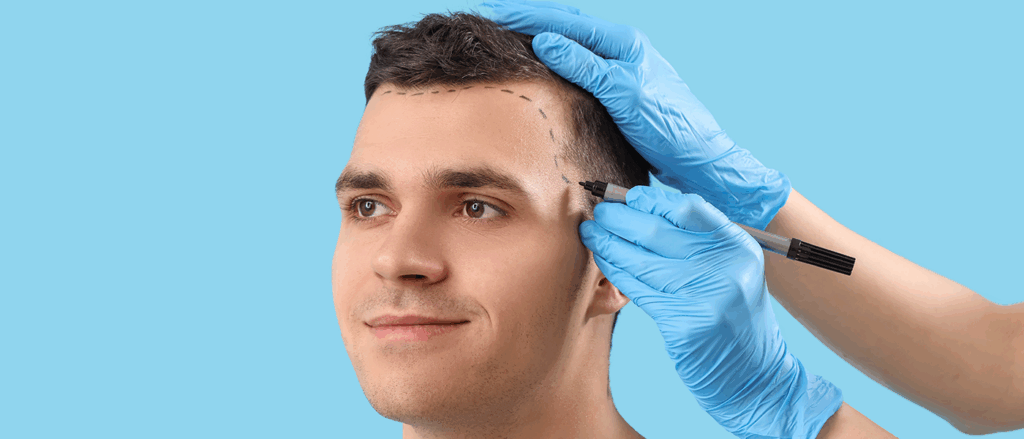
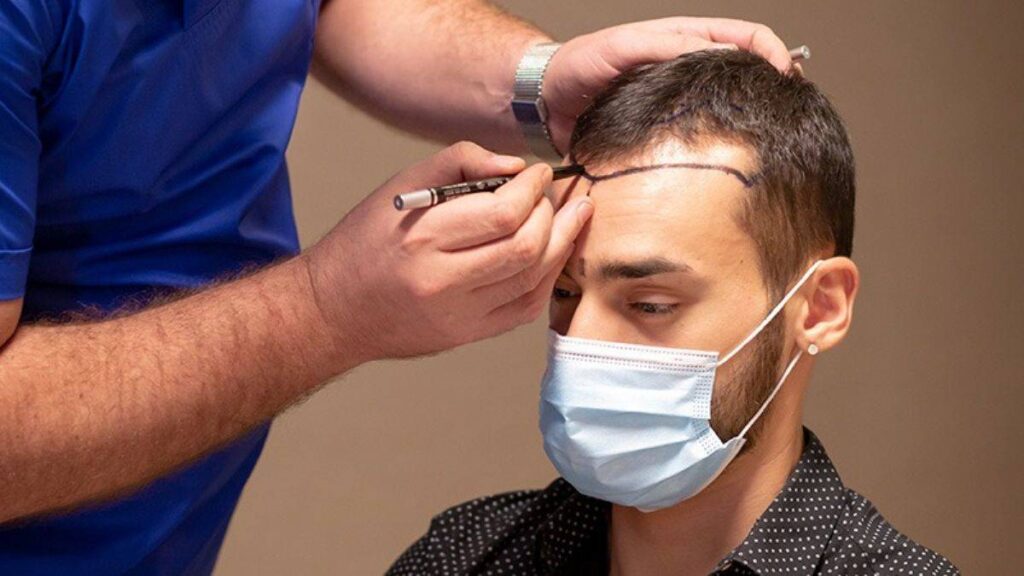
How does hair transplantation work? What happens to the hair and skin during the process? What can hair transplantation candidates expect during this process?
Hair loss is a common condition in both men and women that can affect a person’s appearance and self-confidence over time. While temporary solutions often only slow down hair loss, hair transplantation stands out as a permanent method that naturally restores lost density.
If you are wondering, “How exactly is hair transplantation performed?”, the procedure is actually based on a fairly simple principle: Healthy roots taken from areas where hair is strong are transferred to areas that are thinning or completely bald, where they continue to grow.
İçindekiler
What is Hair Transplantation?
Hair transplantation is a surgical hair restoration method in which hair follicles are taken from a donor area (usually the back and sides of the head) where they are dense and placed in areas where hair loss is severe. Since the roots in the donor area are genetically resistant to hair loss, the transplanted hair retains the same characteristics. In this respect, transplantation, unlike topical solutions or medications, directly replaces lost roots and provides long-term results.
How is Hair Transplantation Performed? Stages of the Procedure
The basic principle of hair transplantation is based on the “donor dominance” principle. This principle states that the transplanted roots will remain resistant to hair loss in their new locations.
The operation is planned according to the person’s hair structure and type of hair loss and proceeds with the following steps:
- Consultation and Planning
The specialist evaluates your degree of hair loss, the follicle density in the donor area, and your expectations. At this stage, the number of grafts to be transplanted is determined, and the front hairline is planned according to natural facial proportions. - Harvesting Donor Hair
There are two different methods depending on the technique used:
Harvesting grafts one by one (FUE)
Removing a thin strip of hair-bearing skin (FUT)
Both methods are performed under local anesthesia and are painless. - Preparation of the Recipient Area
Small channels are opened at natural angles in bald or sparse areas. These channels ensure that the transplanted roots are placed in accordance with the natural direction of hair growth. - Placement of Grafts
The collected follicles are carefully placed one by one into the recipient area. This stage is the most critical part that determines the naturalness of the hair transplant. - Healing and Growth Process
Small scabs form around the roots for a few days after the procedure. The transplanted hair falls out in the first few weeks; this is completely normal. New hair begins to grow in the 3rd or 4th month, and full density is achieved within 12–18 months.
Hair Transplantation Techniques
There are two techniques most commonly used today. Since each patient’s needs are different, expert evaluation is important.
1. Follicular Unit Transplantation (FUT)
In FUT, known as the “strip method,” a thin strip of skin is removed from the donor area and this strip is separated into follicular groups under a microscope.
Advantages:
- A high number of grafts can be obtained in a single session.
- It may be more advantageous for some large bald spots.
Disadvantages:
- A thin scar may remain at the back.
- It may not be suitable for those with very short hair.
2. Follicular Unit Extraction (FUE)
In FUE, hair follicles are extracted individually using micro motors. As it is a scar-free procedure, it is the most preferred method today.
Advantages:
- The scar is minimal; it is compatible with short hair styles.
- The recovery process is fast.
- A more natural distribution can be achieved.
Disadvantages:
- The procedure time is longer than FUT.
- It requires a higher level of expertise.
- Both methods yield extremely natural results with proper planning and an experienced surgeon.
What to Expect During Hair Transplant Surgery?
Hair transplantation is a comfortable procedure performed under local anesthesia. The patient remains awake throughout the process but feels no pain.
During surgery:
- There may be a feeling of pressure or slight pulling.
- The duration varies between 4 and 8 hours, depending on the number of grafts to be transplanted.
After the operation:
- There may be slight redness, scabbing, and sensitivity on the scalp.
- You can comfortably return to your daily life within a week.
- New hair growth begins within a few months.
Following the doctor’s recommended care instructions during this process is the most important factor in determining the quality of the results.
What Can Happen After Hair Transplantation?
The goal of hair transplantation is to permanently increase hair density without compromising its natural appearance. Since the roots taken from the donor area are resistant to shedding, the transplanted hair maintains its permanence for life. After the procedure, the hair can be:
- Cut naturally,
- Styled,
- Dyed.
However, hair transplantation does not stop existing hair from falling out. For this reason, many patients protect their hair after hair transplantation with supportive treatments such as finasteride, minoxidil, or PRP.
Is Hair Transplantation Right for You?
Ideal candidates typically have the following characteristics:
- Those with a stable hair loss pattern
- Those in good general health
- Those with realistic expectations
- The most accurate way to determine if you are a suitable candidate for hair transplantation is through a detailed hair analysis and planning by a specialist physician.
Natural and Permanent Results
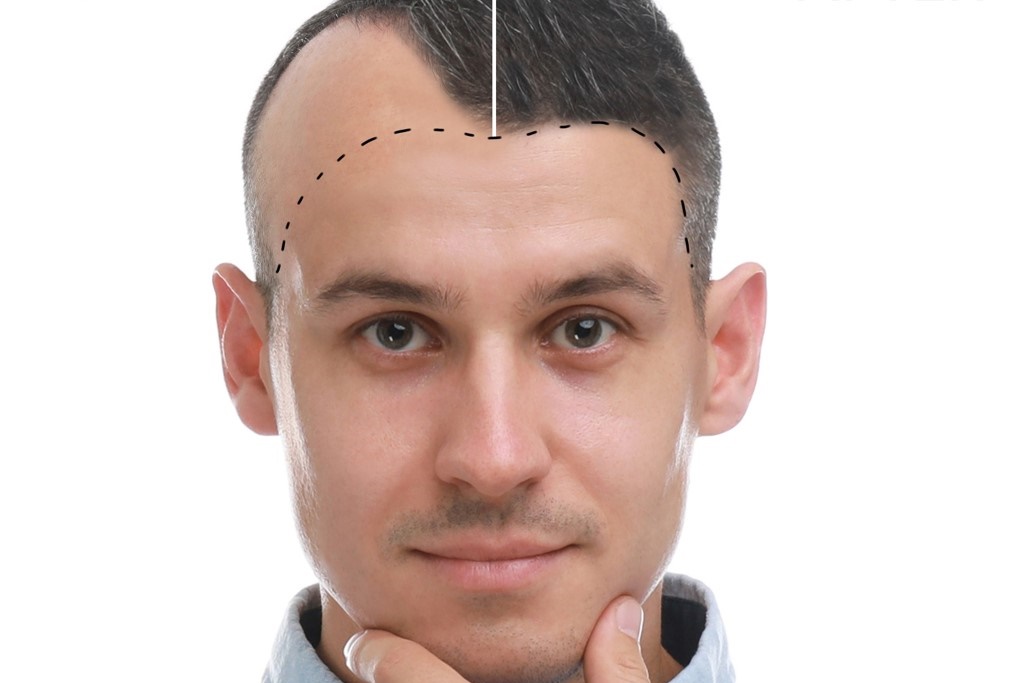
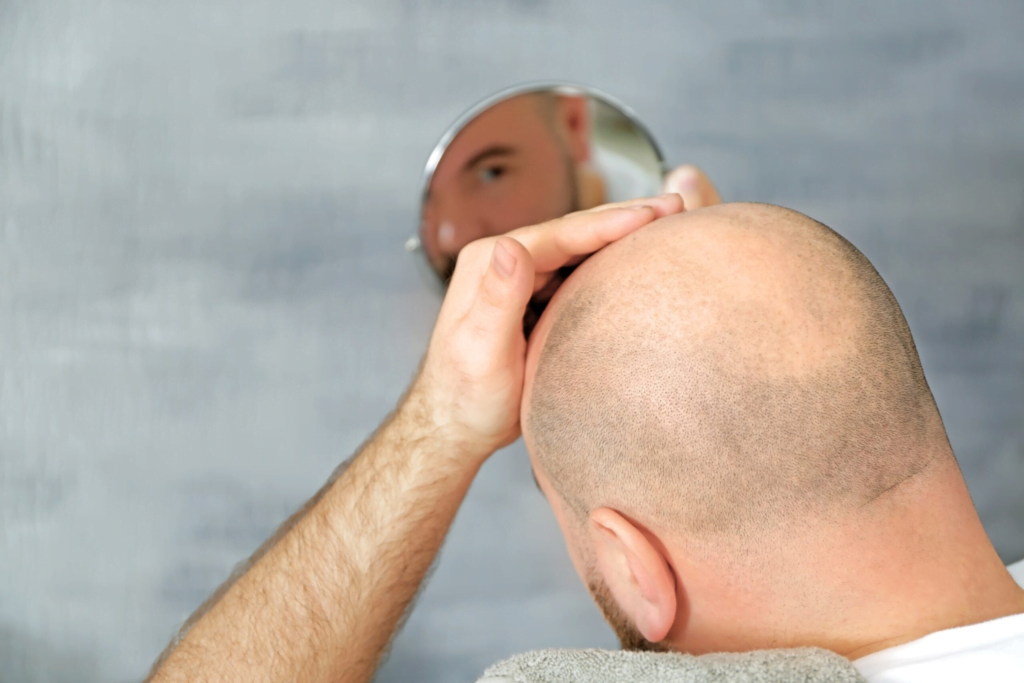
When performed with the right technique, hair transplantation is a long-term solution that significantly improves both appearance and self-confidence. The decision on whether the FUE or FUT method is more suitable for you is made after examining your hair structure and degree of hair loss.
Thanks to DR. MFO‘s scientific approach, personalized planning, and natural-result-focused work, hair transplantation becomes not just a procedure, but a transformation that adapts to the hair’s true structure. If you want to take the first step towards thicker, more natural, and permanent hair, a specialist evaluation is the best place to start.
Hairtrans.com was founded by world-famous plastic surgeon Dr. MFO, who is an expert in facial feminization or facial masculinization surgeries, and is managed under his leadership. Would you like to have a hair transplant under the coordination of a plastic surgeon with many years of experience?
Whether you are a trans woman or a natural born male or female, if you are looking for the best hair transplant, contact us now.
 English
  German
  Arabic
  Spanish
  French
  Dutch
Dutch  Italian
  Russian