
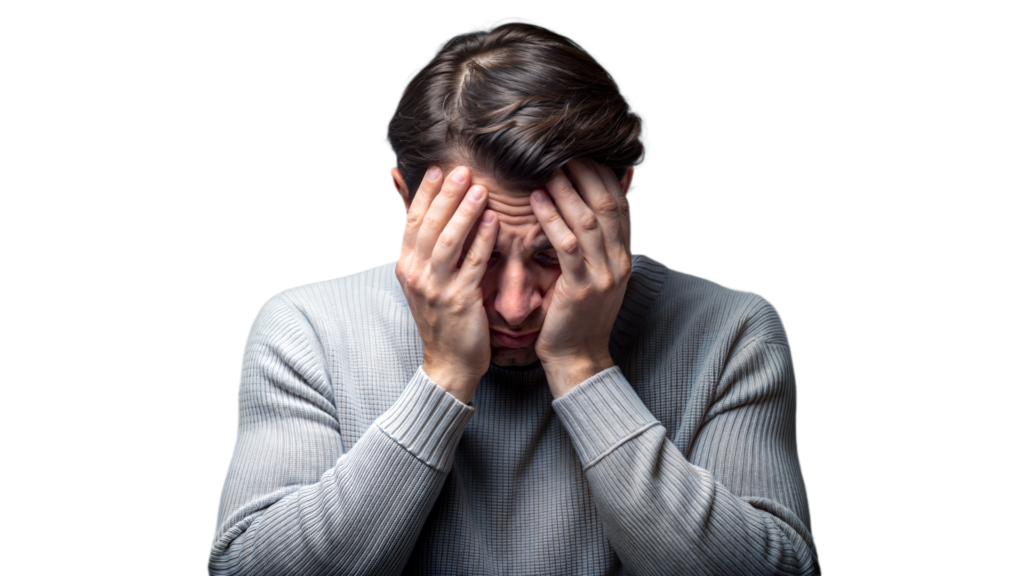
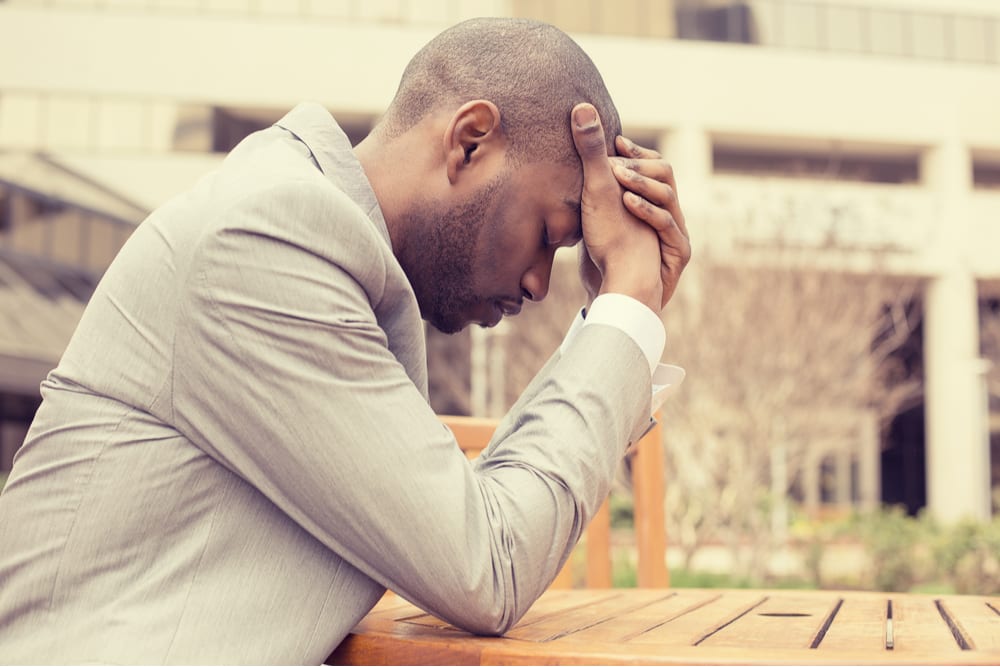
The post-operative phase of the hair transplant process is just as important for candidates as the procedure itself. Some people may experience fear of losing their transplanted hair. At this point, stress emerges as the most significant factor causing this anxiety. So, does stress harm transplanted hair as much as people think?
This is a very valid question because hair health is closely related not only to a surgical procedure but also to the body’s overall balance. Stress is one of the most important disruptors of this balance. In this article, we address the effects of stress on hair transplantation from a scientific and realistic perspective and explain what you need to know to manage the process correctly in 5 steps.
İçindekiler
1. Does Stress Cause Hair Loss?
The impact of stress and hair loss has long been recognized in the medical world. Intense and prolonged stress leads to an increase in the stress hormone cortisol in the body. Elevated cortisol levels can cause hair follicles to transition prematurely from the growth (anagen) phase to the resting (telogen) phase. This is particularly seen in a type of temporary hair loss called telogen effluvium.
The important point here is that stress-related hair loss is usually temporary and does not cause permanent damage to the hair follicle. Stress experienced after hair transplantation can affect existing hair through a similar mechanism.
2. Are Transplanted Hair Affected by Stress?
This is one of the most critical questions. The grafts used in hair transplantation are usually taken from the back of the head. The hair follicles in this area are genetically resistant to hair loss. The good news: Transplanted hair follicles do not permanently fall out due to stress. However, stress can indirectly affect the post-transplant process:
- The shock loss process may be more noticeable.
- The hair growth process may slow down.
- Hair loss in existing (untransplanted) hair may increase.
In other words, stress does not directly kill the transplanted follicle; however, it can complicate the healing and adaptation process.
3. Why is Stress More Noticeable After Hair Transplantation?
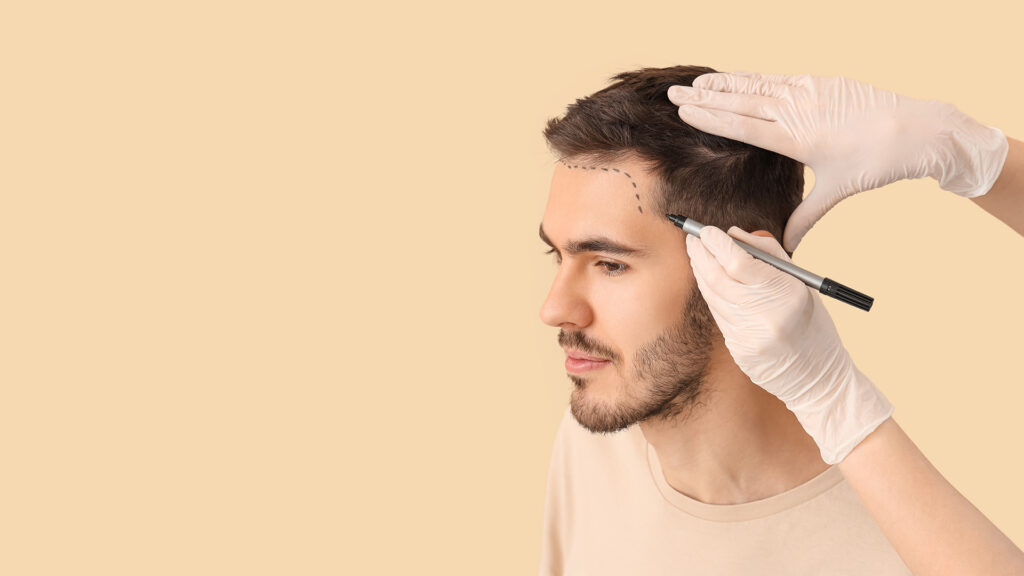
Although hair transplantation is an aesthetic procedure, it is a micro-surgical intervention for the body. Therefore, after the operation, the body tries to repair itself, and during this process:
- The immune system becomes active.
- Tissue regeneration begins.
- Energy needs increase.
Experiencing intense stress during this period causes the body to distribute its resources in different directions. As a result, the nutrients, oxygen, and hormonal balance needed by the hair follicles may take a back seat. Therefore, controlling stress is important for at least a more comfortable recovery process. Therefore, the first 3 months after hair transplantation are a period that requires not only physical but also psychological protection.
4. Does Stress Increase Shock Loss?
Yes, it can. Shock loss after hair transplantation is often a normal and expected process. However, in people with high stress levels, this loss:
- May be more intense,
- May last longer,
- Can cause the person to worry that “the transplant failed.”
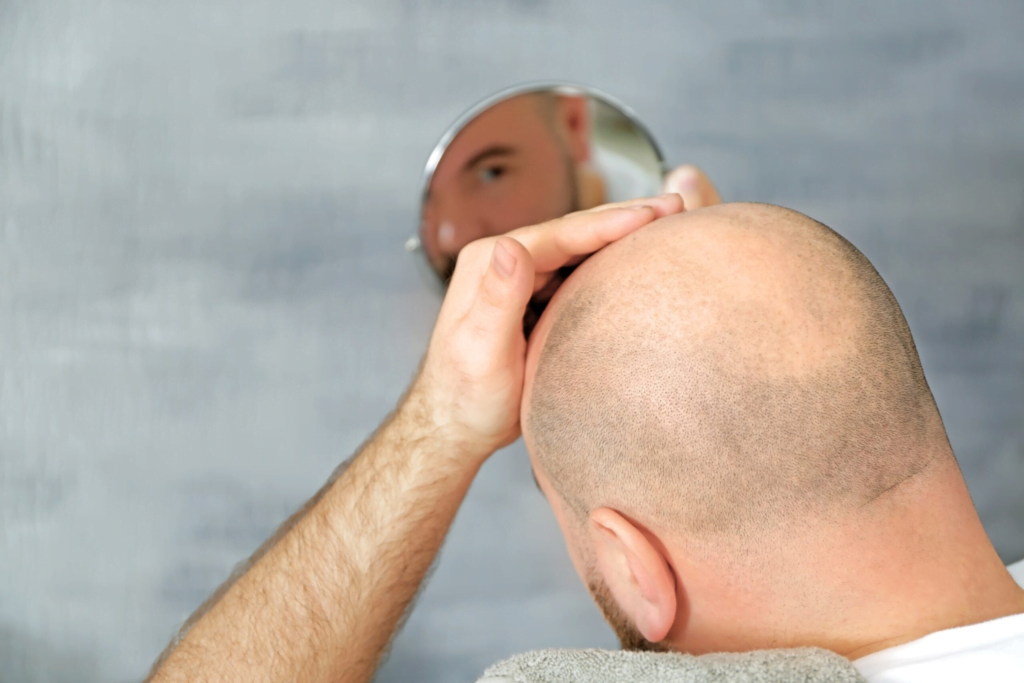
The most important fact to know at this point is this: Shock loss is the loss of the hair shaft, not the hair root. Once stress is under control, the hair will continue to grow back.
5. What Should Be Done to Reduce Stress After Hair Transplantation?
Stress management is just as important as the techniques used to increase the success of hair transplantation. Here are some things to keep in mind:
- Set realistic expectations
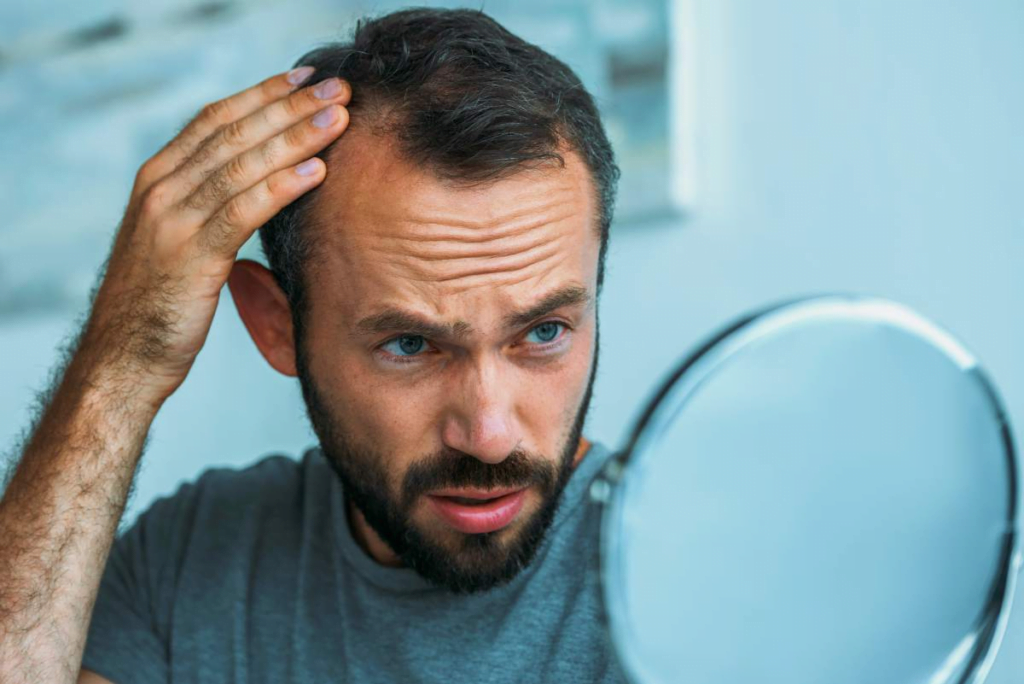
Hair transplant results become clear within 6–12 months. Looking in the mirror and panicking in the first few months creates unnecessary stress. - Maintain your sleep schedule
Quality sleep directly supports the renewal of hair follicles. - Eat a balanced diet
Protein, iron, zinc, and B vitamins play a critical role in hair growth. - Stay away from social media
Every hair transplant process is unique to the individual. Comparing yourself to others increases your stress. - Seek professional support if necessary
Prolonged intense stress affects not only your hair but also your overall health.
Conclusion: Does Stress Harm Hair Transplant Results?
No, when managed properly, stress will not harm your hair transplant process or results. This is because stress does not permanently destroy transplanted hair follicles. However, it can slow down the healing process, increase hair loss in existing hair, and cause unnecessary anxiety in the individual.
Hair transplantation is a journey that requires conscious participation not only from the surgeon but also from the patient. Controlling your stress during this journey is the best investment you can make, not only for your transplanted hair but also for yourself.
Hairtrans.com was founded by world-famous plastic surgeon Dr. MFO, who is an expert in facial feminization or facial masculinization surgeries, and is managed under his leadership. Would you like to have a hair transplant under the coordination of a plastic surgeon with many years of experience?
 English
  German
  Arabic
  Spanish
  French
  Dutch
Dutch  Italian
  Russian